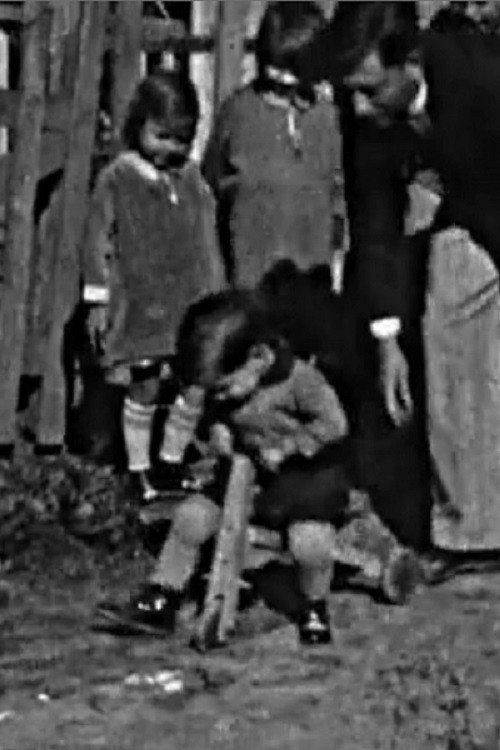
Riding a Tricycle 1928
"Riding a Tricycle" (1928) offers a rare and intimate glimpse into Mexican-American life in 1920s Texas through the lens of Antonio Rodríguez Fuentes, one of the earliest documented Mexican-American filmmakers.
Director: Antonio Rodríguez Fuentes
Frequently Asked Questions
What is Riding a Tricycle (1928) about?
This short 1928 home movie documents a Mexican-American family in Corpus Christi, Texas, as they go about their daily lives. The film captures the filmmaker's wife and children exiting their home before focusing on a tender scene of their young son riding a tricycle.
Who directed Riding a Tricycle?
Antonio Rodríguez Fuentes directed this 1928 film, marking his contribution to early Mexican-American cinema.
Who stars in Riding a Tricycle?
The film features Antonio Rodríguez Fuentes, his wife Josefina, and their four children, including young Antonio Jr.
Is Riding a Tricycle (1928) worth watching?
While it's a brief silent documentary, "Riding a Tricycle" holds immense historical and cultural value as one of the earliest known films by a Mexican-American filmmaker. Its authenticity and simplicity make it a fascinating watch for fans of early cinema and cultural history.
How long is Riding a Tricycle?
Riding a Tricycle runs for just 1 minute.
About Riding a Tricycle (1928) — Discovering a Lost Mexican-American Filmmaker's First Film
"Riding a Tricycle" (1928) offers a rare and intimate glimpse into Mexican-American life in 1920s Texas through the lens of Antonio Rodríguez Fuentes, one of the earliest documented Mexican-American filmmakers. This fleeting home movie captures a simple yet profound moment—Fuentes, his wife Josefina, and their four children stepping out of their Corpus Christi home before the camera turns to their son, Antonio Jr., joyfully riding a tricycle. Shot in the quietude of everyday life, the footage radiates nostalgia and authenticity, preserving a slice of cultural history that might otherwise have faded. Though just a minute long, it stands as a testament to early cinema's power to immortalize personal stories and family legacies.
Beyond its historical significance, "Riding a Tricycle" embodies the charm of amateur filmmaking, where imperfections only enhance its raw appeal. The grainy black-and-white visuals and unpolished style evoke an era of innocence and simplicity, while the subject matter—childhood, family, and home—transcends language and time. For film enthusiasts and history buffs alike, this short documentary is a treasure trove of cultural insight, offering a rare window into the lives of Mexican-American families in early 20th-century Texas.