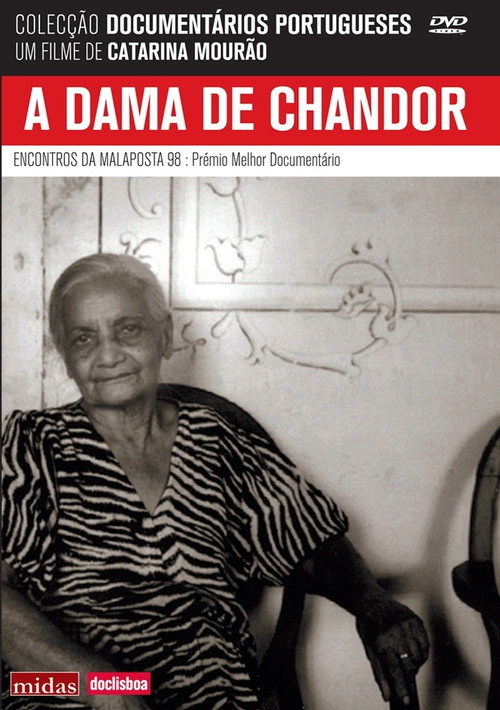
A Dama de Chandor 1999
Step into the evocative world of *A Dama de Chandor (1999)*, a deeply personal documentary directed by Catarina Mourão that paints a poignant portrait of memory, identity, and cultural heritage.
Director: Catarina Mourão
Frequently Asked Questions
What is A Dama de Chandor (1999) about?
This documentary delves into the life of an elderly woman in Chandor, Goa, as she reflects on her roots in the Portuguese-Indian community. Through her memories and current experiences, the film captures the essence of a fading era and its cultural impact. It's a tender exploration of how history shapes personal narratives.
Who directed A Dama de Chandor?
Catarina Mourão directed *A Dama de Chandor (1999)*. Known for her work in documentary filmmaking, Mourão's approach brings a deeply human perspective to the stories she tells.
Who stars in A Dama de Chandor?
The documentary features an elderly woman from Chandor, Goa, as the central figure. Her personal journey and reflections form the heart of the film.
Is A Dama de Chandor (1999) worth watching?
While it doesn't hold an IMDb rating, *A Dama de Chandor* is a gem for fans of introspective, culturally rich documentaries. Its themes of memory and identity resonate deeply, making it a unique watch for those who appreciate films that blend history with personal storytelling.
How long is A Dama de Chandor?
The runtime of *A Dama de Chandor (1999)* is 90 minutes.
About A Dama de Chandor (1999) — A Captivating Documentary on Memory and Identity
Step into the evocative world of *A Dama de Chandor (1999)*, a deeply personal documentary directed by Catarina Mourão that paints a poignant portrait of memory, identity, and cultural heritage. Set against the sun-drenched backdrop of Chandor, Goa, the film follows the life of an elderly woman whose reflections on her Portuguese-Indian past unfold against the rhythms of her present. Through intimate conversations and lush visuals, the documentary weaves a tapestry of nostalgia, revealing how the echoes of history shape personal and communal identities. Mourão's sensitive direction captures the quiet resilience of Chandor's residents, making this a compelling exploration of how the past lingers in the most unexpected corners of the world.
As the film unfolds, it transforms from a simple chronicle into a meditative journey, where the protagonist's stories breathe life into the landscapes of Chandor. The documentary's atmospheric tone—part melancholic, part celebratory—invites viewers to ponder the intersections of tradition and change. With its focus on a fading era and the people who carry its legacy, *A Dama de Chandor* stands as a tribute to the enduring power of storytelling and the unspoken bonds that connect generations.