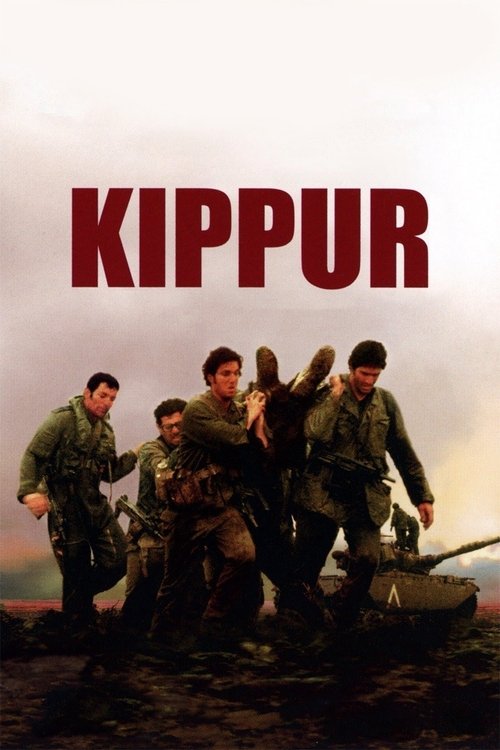
Kippur 2000
Amos Gitai's *Kippur* (2000) plunges viewers into the chaos of the 1973 Yom Kippur War, crafting a raw, haunting portrait of two Israeli soldiers navigating trauma and survival.
Director: Amos Gitai
Cast

Frequently Asked Questions
What is Kippur (2000) about?
*Kippur* (2000) follows two Israeli soldiers whose ordinary lives are upended when war erupts during Yom Kippur. Their day spirals into a nightmarish journey through battle, injury, and the psychological toll of conflict, exposing the brutal reality beneath the chaos.
Who directed Kippur?
Amos Gitai directed *Kippur*, known for his bold, often politically charged films that explore Israeli society and its struggles.
Who stars in Kippur?
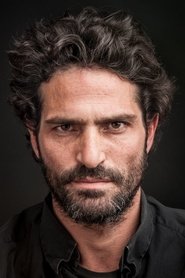
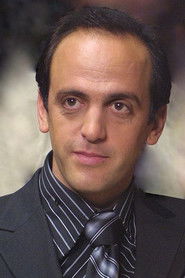
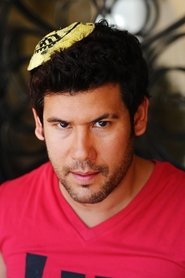
The film features Liron Levo, Tomer Russo, Uri Klauzner, Yoram Hattab, and Juliano Mer-Khamis in pivotal roles.
Is Kippur (2000) worth watching?
If you appreciate war dramas that prioritize emotional realism over spectacle, *Kippur* (2000) is a must-watch. Its unflinching portrayal of trauma and survival offers a deeply moving experience, though it's not for those seeking action-driven narratives.
How long is Kippur?
*Kippur* (2000) runs for 117 minutes (1 hour and 57 minutes).
About Kippur (2000) — Amos Gitai's harrowing war drama you won't forget
Amos Gitai's *Kippur* (2000) plunges viewers into the chaos of the 1973 Yom Kippur War, crafting a raw, haunting portrait of two Israeli soldiers navigating trauma and survival. The film follows Weinraub and his companion Ruso as their routine commute through Tel Aviv's empty streets abruptly unravels into a harrowing odyssey of war. Gitai's direction blends visceral battle scenes with dreamlike surrealism—vivid imagery of Weinraub suspended over a helicopter door captures the film's unsettling blend of detachment and urgency. As the day spirals into destruction, the movie probes the psychological fractures of conflict, leaving audiences grappling with the weight of war's aftermath.
Stripped of heroism, *Kippur* (2000) strips war down to its rawest human elements: fear, camaraderie, and the fragility of life. Gitai's unflinching lens exposes the absurdity and inevitability of violence, while the performances by Liron Levo and Tomer Russo anchor the story in visceral authenticity. The film's somber tone and stark visuals make it a powerful meditation on the Yom Kippur War, resonating beyond its historical setting to ask universal questions about resilience and loss.