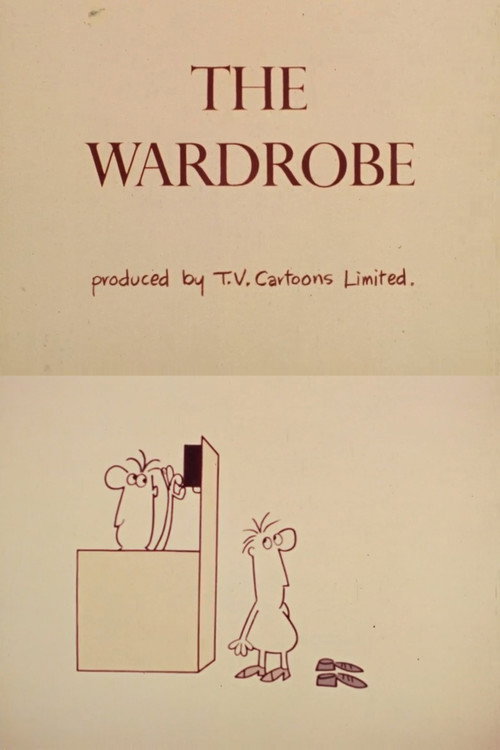
The Wardrobe 1958
Released in 1958, *The Wardrobe (1958)* is a charming two-minute animation directed by George Dunning, best known for later masterpieces like *Yellow Submarine*.
Director: George Dunning
Frequently Asked Questions
What is The Wardrobe (1958) about?
This 1958 animated short follows two men who swap shoes in a bewildering game of tag. As one man steps into a wardrobe, another emerges, leading to a series of silent, puzzling exchanges that leave both confused and shoeless.
Who directed The Wardrobe?
The Wardrobe was directed by George Dunning, a visionary animator whose later work on *Yellow Submarine* cemented his legacy in British animation.
Who stars in The Wardrobe?
Director information for *The Wardrobe* does not list specific cast members, as the film appears to rely on unnamed animated characters.
Is The Wardrobe (1958) worth watching?
While it's a niche piece, *The Wardrobe (1958)* offers a unique slice of mid-century animation history. Its surreal humor and cryptic storytelling make it an intriguing watch for fans of vintage short films, even if it's far from mainstream.
How long is The Wardrobe?
The Wardrobe runs for 2 minutes.
About The Wardrobe (1958) — A Bizarre Two-Minute Animation That Defies Logic
Released in 1958, *The Wardrobe (1958)* is a charming two-minute animation directed by George Dunning, best known for later masterpieces like *Yellow Submarine*. This quirky short film plays out like a surreal comedy of errors, where a simple act of switching shoes turns into a baffling exchange between two men. The silent, almost slapstick interaction unfolds with a dreamlike quality, blending playful absurdity with eerie undertones. Dunning's minimalist approach and the film's compact runtime create an atmosphere that lingers like an unfinished joke, leaving viewers to ponder its meaning—or lack thereof.
Despite its brevity, *The Wardrobe (1958)* packs a punch with its cryptic storytelling, evoking themes of identity, confusion, and the futility of communication. The stark visuals and repetitive actions give it a hypnotic rhythm, reminiscent of early experimental cinema. While it's far from a conventional narrative, the film's odd charm lies in its ability to spark curiosity. Is it a commentary on human interaction, or just a delightfully strange vignette? Either way, Dunning's direction ensures it's a memorable slice of mid-century animation history.