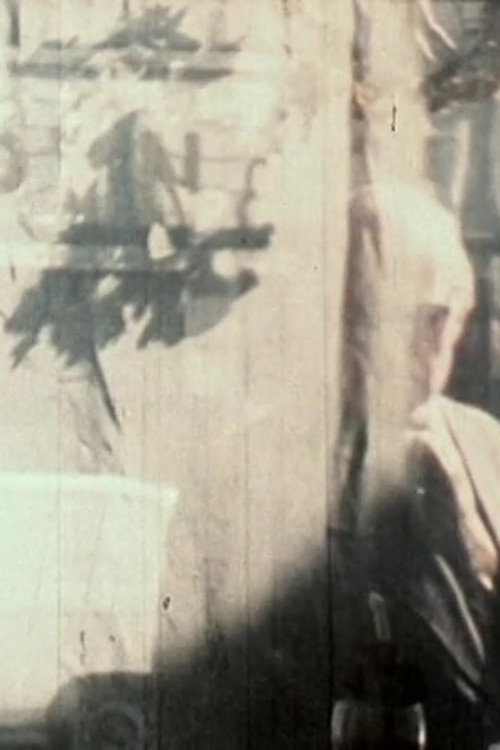
Du regard comme objet (b) 1977
In the late 1970s, artist Jakobois made a bold transition from canvas to film, capturing a fleeting yet profound moment on Paris's rue Louis-Blanc.
Director: Jakobois
Frequently Asked Questions
What is Du regard comme objet (b) (1977) about?
This seven-minute documentary by Jakobois transforms a Parisian street window into a canvas for human curiosity. The film records the spontaneous reactions of passersby as they encounter the artist's empty workshop, turning their glances into a poetic exploration of attention and art.
Who directed Du regard comme objet (b)?
The film was directed by Jakobois, a visionary artist who bridged painting and cinema with this piece.
Who stars in Du regard comme objet (b)?
The film's cast consists of anonymous passersby on rue Louis-Blanc, whose real-life reactions form the core of the documentary.
Is Du regard comme objet (b) (1977) worth watching?
As a rare gem of experimental documentary, *Du regard comme objet (b)* offers a unique meditation on perception. Though unrated and obscure, its ambition and atmosphere make it compelling for fans of conceptual art and short films.
How long is Du regard comme objet (b)?
The film runs for 7 minutes, a concise yet impactful exploration of its themes.
About Du regard comme objet (b) (1977) — A 7-minute documentary on perception and fleeting glances
In the late 1970s, artist Jakobois made a bold transition from canvas to film, capturing a fleeting yet profound moment on Paris's rue Louis-Blanc. *Du regard comme objet (b)* (1977) emerged from his desire to crystallize the essence of perception itself—documenting the glances of passersby as they paused at his studio window, transforming their curiosity into an artistic statement. This seven-minute documentary feels like a quiet revolution in observation, blending the intimacy of street life with the rigor of conceptual art. The film's stripped-down approach strips away artifice, leaving raw, unfiltered human interaction as its sole subject.
A meditation on sight and serendipity, *Du regard comme objet (b)* (1977) lingers in the mind like a half-remembered dream. The camera, positioned in the artist's abandoned workshop, becomes a silent witness to fleeting connections—each glance a fragment of someone else's story. Jakobois's work feels both timeless and urgently present, a snapshot of how art can emerge from the most mundane corners of daily life. A masterclass in minimalism, this film asks us to reconsider the stories hidden in plain sight.