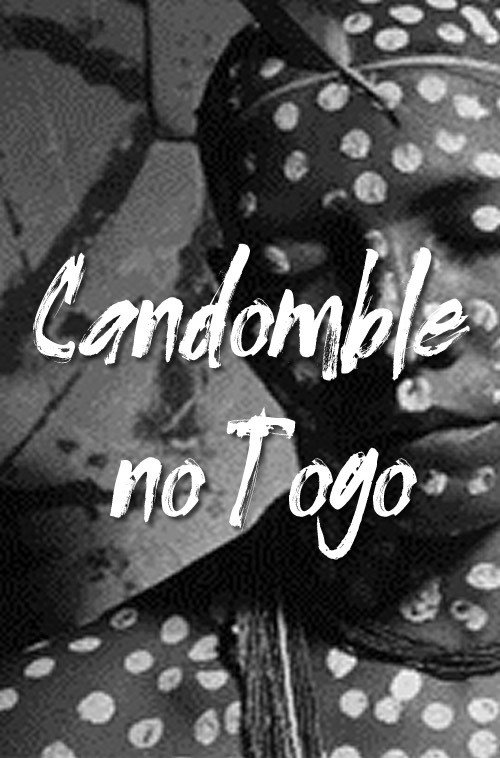
Candomblé in Togo 1972
Step into the heart of West Africa's spiritual traditions with *Candomblé in Togo (1972)*, a compelling short documentary that captures the essence of the Candomblé religion as it unfolds in Togo.
Director: José Agripino de Paula
Frequently Asked Questions
What is Candomblé in Togo (1972) about?
This documentary explores the presence and practice of Candomblé, an Afro-Brazilian religion, in Togo through vivid rituals and ceremonies. It highlights how these spiritual traditions adapt and thrive in a new cultural setting, offering a unique cross-cultural perspective.
Who directed Candomblé in Togo?
Candomblé in Togo was directed by José Agripino de Paula, a filmmaker whose work often delves into cultural and social themes.
Who stars in Candomblé in Togo?
Cast details for this short documentary are not publicly available.
Is Candomblé in Togo (1972) worth watching?
As a short documentary, *Candomblé in Togo* offers a rare and fascinating glimpse into a spiritual tradition rarely explored on film. Its brevity is balanced by rich cultural insight, making it a compelling watch for those interested in religion, anthropology, or African cinema.
How long is Candomblé in Togo?
The runtime of *Candomblé in Togo* is 24 minutes.
About Candomblé in Togo (1972) — A Short Documentary on Faith and Ritual in West Africa
Step into the heart of West Africa's spiritual traditions with *Candomblé in Togo (1972)*, a compelling short documentary that captures the essence of the Candomblé religion as it unfolds in Togo. Directed by José Agripino de Paula, this 24-minute film immerses viewers in the vibrant rituals, dances, and ceremonies that define this Afro-Brazilian faith's presence in Togolese culture. The documentary unfolds like a visual prayer, blending hypnotic drumbeats with the striking imagery of sacred spaces, where drummers, dancers, and devotees come together in a rhythmic celebration of faith and identity.
Through de Paula's lens, the film transcends mere observation, offering a glimpse into the living traditions of Candomblé as it intertwines with local customs in Togo. The atmosphere is electric—dense with the scent of incense, the pulse of traditional music, and the palpable energy of a community united by shared beliefs. Though concise, *Candomblé in Togo* is a time capsule of cultural exchange, revealing how spiritual practices travel across oceans and generations, leaving an indelible mark on both history and present-day traditions.