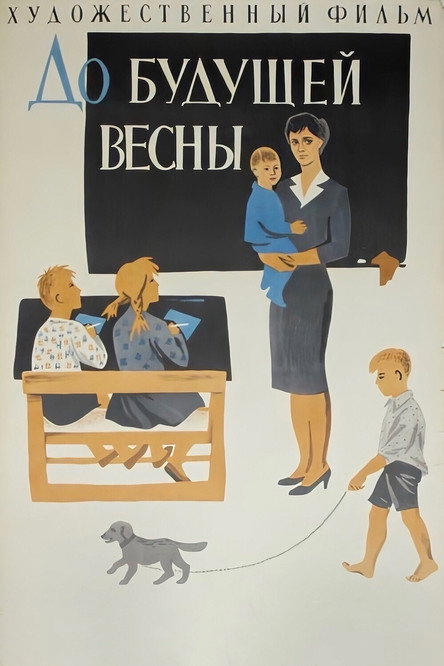
Until Next Spring 1961
Set in the early 1960s, *Until Next Spring (1961)* by director Viktor Sokolov explores the fragile nature of trust and the quiet resilience of a woman rebuilding her life.
Director: Viktor Sokolov
Cast

Frequently Asked Questions
What is *Until Next Spring* (1961) about?
Vera, a disillusioned literature student, flees Leningrad after a painful betrayal, taking refuge in a remote village with her young daughter. There, she forms an unexpected bond with Aleksei, a neighboring teacher, which helps her confront her past and rediscover faith in human connection.
Who directed *Until Next Spring*?
The film was directed by Viktor Sokolov, a filmmaker known for his emotionally resonant dramas that explore personal and social themes.
Who stars in *Until Next Spring*?
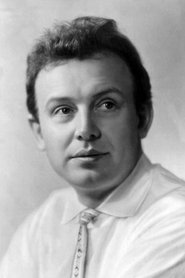
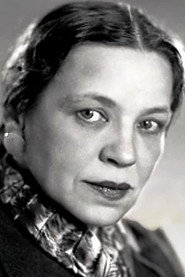
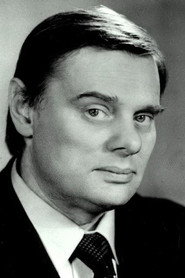
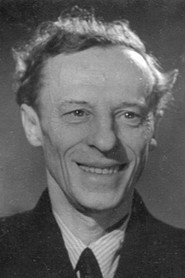
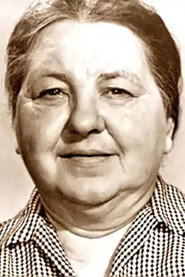
The film features Lyudmila Marchenko as Vera, Innokentiy Smoktunovskiy as Aleksei, Valentin Arkhipenko, Mariya Prizvan-Sokolova, and Galina Vasilyeva in key roles.
Is *Until Next Spring* (1961) worth watching?
Though unrated on IMDb, this understated romance-drama offers a deeply human story with strong performances and themes of resilience. Its short runtime makes it a poignant choice for fans of character-driven Soviet-era films.
How long is *Until Next Spring*?
The film runs for 57 minutes.
About Until Next Spring (1961) — A Soviet Romance-Drama of Trust and Renewal
Set in the early 1960s, *Until Next Spring (1961)* by director Viktor Sokolov explores the fragile nature of trust and the quiet resilience of a woman rebuilding her life. Vera, a once-confident student at Leningrad Pedagogical Institute, faces heartbreak that shatters her belief in love and forces her into isolation. With her young daughter in tow, she escapes to a remote village, seeking solace far from prying eyes. There, she meets Aleksei, a perceptive teacher who slowly helps her rediscover warmth and connection. This poignant romance-drama weaves themes of healing, second chances, and the courage to open one's heart again, all against the backdrop of Soviet-era simplicity.
The film's tender atmosphere is heightened by Sokolov's sensitive direction, capturing the intimate struggle between vulnerability and hope. With its understated yet powerful performances, *Until Next Spring* lingers as a testament to the quiet revolutions that unfold in ordinary lives.