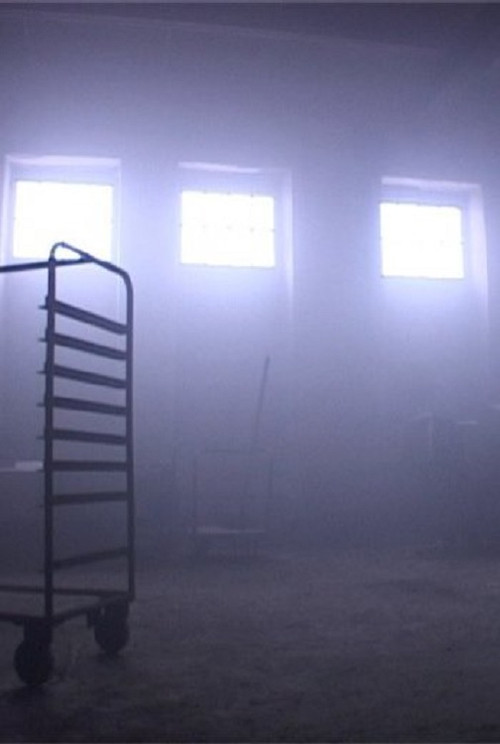
Pomeranie 2008
Pomeranie (2008) is a hauntingly short yet dense documentary-drama that bends perception, where space folds inward and time spirals in reverse.
Director: Mariya Murashova
Frequently Asked Questions
What is Pomeranie (2008) about?
Pomeranie (2008) explores a world where physical space inverts and time flows backward, creating a disorienting yet thought-provoking experience. The film uses stunning visuals and minimal dialogue to examine how places and memories can warp under the weight of altered perception, leaving viewers to question what they thought they knew.
Who directed Pomeranie?
Pomeranie was directed by Mariya Murashova, a filmmaker known for pushing the boundaries of documentary storytelling with visually poetic and conceptually daring works.
Who stars in Pomeranie?
Cast information for Pomeranie has not been publicly listed.
Is Pomeranie (2008) worth watching?
With its experimental blend of documentary and drama, Pomeranie offers a unique viewing experience despite its short runtime. Fans of avant-garde cinema or Murashova's other works will appreciate its ambitious themes and atmospheric storytelling, though its abstract nature may not appeal to everyone.
How long is Pomeranie?
Pomeranie has a runtime of 12 minutes.
About Pomeranie (2008): A Surreal Documentary on Time and Space — Full Movie Info
Pomeranie (2008) is a hauntingly short yet dense documentary-drama that bends perception, where space folds inward and time spirals in reverse. Directed by Mariya Murashova, this 12-minute film immerses viewers in a surreal landscape that feels both familiar and alien, challenging our understanding of linear reality. The film's minimal runtime belies its ambitious exploration of memory, place, and the fluidity of human experience, wrapped in an atmosphere of quiet intensity and philosophical unease.
Though cast details remain elusive, Pomeranie's poetic approach to documentary filmmaking positions it as a meditation on the unseen layers of existence. Murashova's vision transforms mundane locations into portals of disorientation, inviting audiences to question the boundaries between past, present, and possibility. Ideal for fans of experimental cinema, the film lingers like a half-remembered dream long after the credits roll.