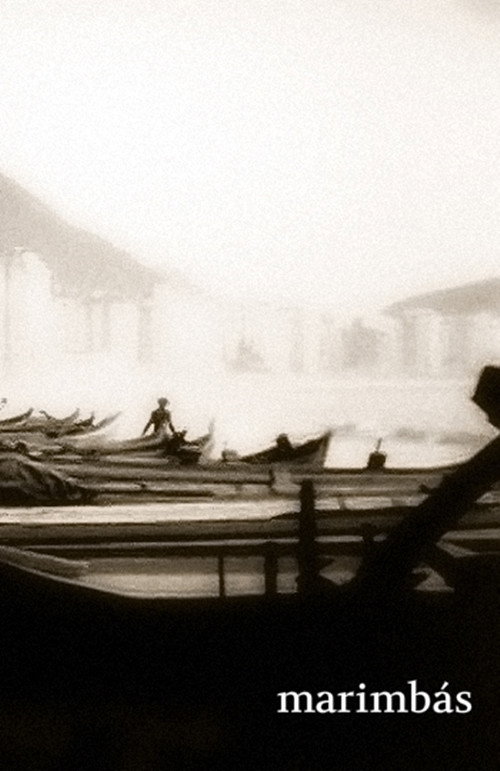
Marimbás 1963
Dive into the rarely seen world of *Marimbás (1963)*, the sole film crafted by Yugoslavian-Brazilian journalist Vladimir Herzog.
Director: Vladimir Herzog
Frequently Asked Questions
What is Marimbás (1963) about?
*Marimbás (1963)* explores the lives of Rio de Janeiro's coastal workers, known as the Marimbás, who make a living from the sea in unconventional ways. The documentary follows their daily routines, fishing methods, and the direct trade of their catch with customers on the city's beaches.
Who directed Marimbás?
Marimbás (1963) was directed by Vladimir Herzog, a Yugoslavian-Brazilian journalist whose sole film this remains.
Who stars in Marimbás?
Cast details for Marimbás (1963) are not publicly available, as the film focuses on real-life coastal workers rather than professional actors.
Is Marimbás (1963) worth watching?
As a 1963 documentary with a runtime of just 12 minutes, *Marimbás* offers a unique historical snapshot of Brazil's coastal culture. While it may not have mainstream appeal, documentary enthusiasts and fans of early cinema will appreciate its raw authenticity and Herzog's storytelling craft.
How long is Marimbás?
Marimbás (1963) has a runtime of 12 minutes.
About Marimbás (1963) — A 12-Minute Glimpse into Brazil's Coastal Mystique
Dive into the rarely seen world of *Marimbás (1963)*, the sole film crafted by Yugoslavian-Brazilian journalist Vladimir Herzog. This raw, cinéma verité documentary captures a slice of life from Rio de Janeiro's coastal communities, focusing on the enigmatic "Marimbás"—a group of seafarers who rely on the ocean's bounty for survival. With striking authenticity, Herzog's lens peers into their daily struggles, fishing techniques, and the vibrant trade that unfolds on the beaches of Brazil. Shot during a film course led by Swedish documentary maestro Arne Sucksdorff, the short film blends social observation with poetic realism, offering a glimpse into a vanishing way of life. Its 12-minute runtime belies its immersive power, making it a fascinating artifact for documentary enthusiasts and historians alike.
While Herzog's film may be a brief portrait, its emotional weight lingers. The rustic boats, the salty sea breeze, and the hustle of selling fresh catches paint a vivid tableau of resilience and tradition. Though obscure, *Marimbás (1963)* stands as a testament to the art of documentary storytelling in its purest form.