Ver-O-Peso 1984
Step into the vibrant heart of Belém's Amazonian culture with *Ver-O-Peso (1984)*, a poignant 14-minute documentary-drama directed by Januário Guedes.
Director: Januário Guedes
Frequently Asked Questions
What is *Ver-O-Peso (1984)* about?
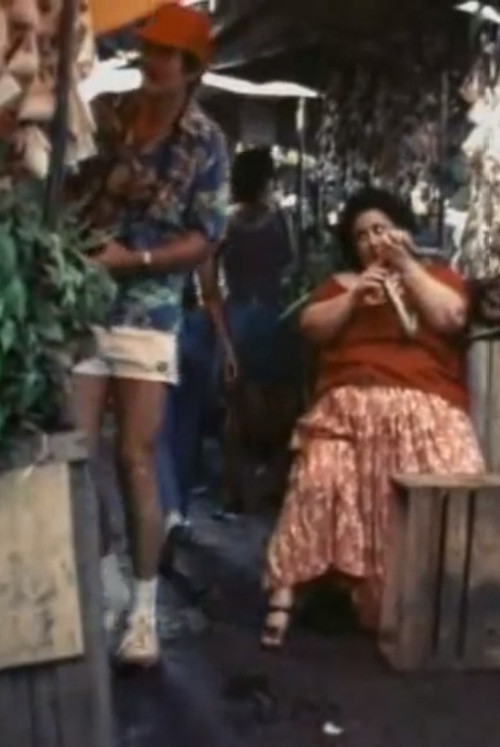
*Ver-O-Peso (1984)* follows a chance meeting between a tourist and a beggar in the lively Ver-O-Peso market in Belém, Brazil. Through this brief interaction, the film explores themes of human connection, inequality, and the vibrant chaos of Amazonian life. It's a snapshot of culture and contrast wrapped in a 14-minute narrative.
Who directed *Ver-O-Peso*?
*Ver-O-Peso* was directed by Januário Guedes, a filmmaker whose work often captures the raw and authentic spirit of Brazil's northern regions.
Who stars in *Ver-O-Peso*?
The cast details for *Ver-O-Peso (1984)* are not listed, but the film centers on the portrayal of a tourist and a beggar, embodying the cultural contrasts of the Ver-O-Peso market.
Is *Ver-O-Peso (1984)* worth watching?
As a short documentary-drama, *Ver-O-Peso (1984)* offers a unique and immersive glimpse into Amazonian life. Its themes of human connection and cultural contrast make it a compelling watch for fans of documentaries and short films, even without an IMDb rating. The film's brevity is its strength, delivering a punch in just 14 minutes.
How long is *Ver-O-Peso*?
*Ver-O-Peso (1984)* has a runtime of 14 minutes.
About Ver-O-Peso (1984) — A 14-Minute Amazonian Encounter of Contrast and Culture
Step into the vibrant heart of Belém's Amazonian culture with *Ver-O-Peso (1984)*, a poignant 14-minute documentary-drama directed by Januário Guedes. Set against the bustling backdrop of the Ver-O-Peso market, one of the Amazon's most culturally rich hubs, the film captures a fleeting yet powerful encounter between a tourist and a beggar. Through Guedes' lens, the documentary transforms a simple moment into a reflection on human connection, inequality, and the raw authenticity of life in northern Brazil. The market's sensory overload—where sights, sounds, and smells collide—serves as a dynamic stage for a story that lingers long after the credits roll.
Guedes' deft direction infuses the short film with a documentary's grit and a drama's emotional depth, making *Ver-O-Peso (1984)* more than just a glimpse into a place; it's a snapshot of a society. The film's themes of contrast and coexistence unfold naturally, as the tourist's curiosity meets the beggar's resilience, creating a narrative that feels both timeless and urgently real. Shot in the late hours of the market's lively atmosphere, the cinematography immerses viewers in the Amazon's vibrant soul.