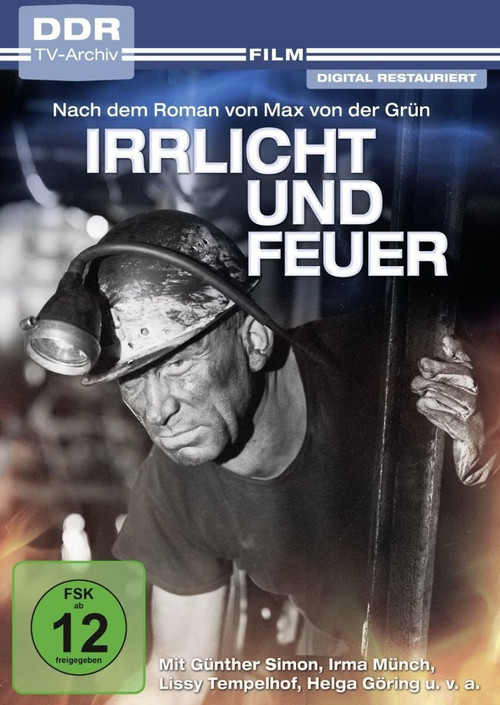
Irrlicht und Feuer 1966
In the gritty landscape of 1966 East Germany, *Irrlicht und Feuer* dives deep into the struggles of post-industrial transformation with raw emotional power. Directed by Horst E.
Director: Horst E. Brandt
Cast





Frequently Asked Questions
What is Irrlicht und Feuer (1966) about?
*Irrlicht und Feuer* chronicles Jürgen Fohrmann's turbulent journey as a coal miner whose world collapses when his mine closes. Struggling to support his family and regain footing, he takes a job in the electrical industry, believing it offers a path to stability—but soon realizes the new workplace holds its own illusions and pressures.
Who directed Irrlicht und Feuer?
The film was directed by Horst E. Brandt, a filmmaker known for his evocative portrayals of social and industrial themes in East German cinema.
Who stars in Irrlicht und Feuer?
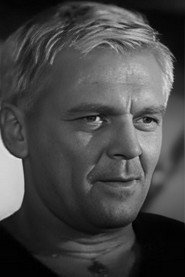
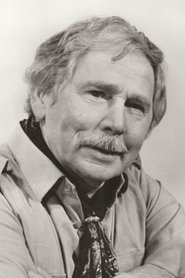
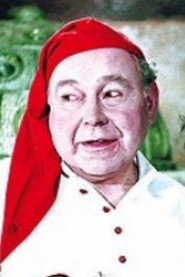
The ensemble cast features Günther Simon, Irma Münch, Lissy Tempelhof, Helga Göring, Sabine Thalbach, and Kurt Müller-Reitzner in pivotal roles.
Is Irrlicht und Feuer (1966) worth watching?
While not widely rated, the film's immersive drama and historical context make it a compelling watch for fans of East German cinema and thought-provoking character studies. Its themes of displacement and false progress resonate beyond its era, offering both emotional depth and food for reflection.
How long is Irrlicht und Feuer?
The film runs for 197 minutes.
About Irrlicht und Feuer (1966) — A Gritty Drama of Post-Industrial Struggle
In the gritty landscape of 1966 East Germany, *Irrlicht und Feuer* dives deep into the struggles of post-industrial transformation with raw emotional power. Directed by Horst E. Brandt, this crime-drama follows Jürgen Fohrmann, a coal miner whose livelihood vanishes when his mine shuts down during the coal crisis. As financial strain fractures his marriage and forces him into a precarious new job in the electrical industry, Fohrmann clings to the illusion of upward mobility—only to discover that even 'clean work' carries its own deceptions. The film paints a stark portrait of disillusionment, where the promise of progress clashes with harsh realities.
Brandt's atmospheric storytelling, paired with a powerhouse cast including Günther Simon and Irma Münch, immerses viewers in a world of simmering tension and quiet despair. The contrast between the coal dust of the mines and the sterile white coats of the new factory floors mirrors Fohrmann's internal conflict: the struggle to adapt, to survive, and to find meaning in a system that values productivity over humanity. With its unflinching look at social upheaval, *Irrlicht und Feuer (1966)* remains a compelling exploration of identity and resilience in the face of change.