Drei Kriege - 1. Teil: Tauroggen 1963
Dive into the wartime drama "Drei Kriege - 1. Teil: Tauroggen (1963)" directed by Norbert Büchner, where historical events unfold against the backdrop of conflict and camaraderie.
Director: Norbert Büchner
Cast
Frequently Asked Questions
What is Drei Kriege - 1. Teil: Tauroggen (1963) about?
This film dramatizes a pivotal moment during the Napoleonic Wars, focusing on Prussian soldiers navigating political intrigue and military campaigns. The story centers on their struggles for survival and honor amid a divided Europe.
Who directed Drei Kriege - 1. Teil: Tauroggen?
Norbert Büchner directed this historical war drama, bringing a nuanced perspective to the era's conflicts and human stories.
Who stars in Drei Kriege - 1. Teil: Tauroggen?
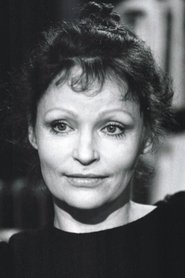
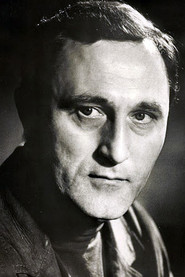
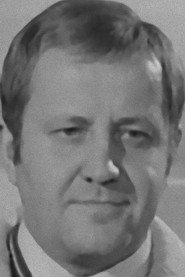
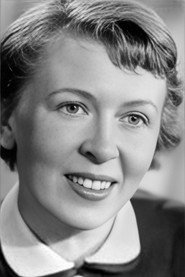
The film features Angelica Domröse, Günter Naumann, Dieter Franke, Helga Göring, and Kurt Müller-Reitzner in key roles.
Is Drei Kriege - 1. Teil: Tauroggen (1963) worth watching?
As a historical war drama, it offers rich storytelling and strong performances, though its pacing and themes may appeal more to fans of classic European cinema. Its gritty realism and thematic depth make it a rewarding experience for dedicated viewers.
How long is Drei Kriege - 1. Teil: Tauroggen?
Runtime details are not listed.
About Drei Kriege - 1. Teil: Tauroggen (1963) — A Wartime Drama Rooted in History
Dive into the wartime drama "Drei Kriege - 1. Teil: Tauroggen (1963)" directed by Norbert Büchner, where historical events unfold against the backdrop of conflict and camaraderie. Set in the early 19th century, the film follows the struggles of Prussian soldiers as they navigate the tumultuous era of Napoleon's campaigns. With Angelica Domröse and Günter Naumann leading a talented cast, the movie captures the tension and resilience of a divided Europe. The story explores themes of loyalty, sacrifice, and the human cost of war, immersing viewers in a era where survival often hinged on strategic alliances and unyielding determination.
The atmosphere of "Tauroggen" is one of gritty realism, blending the harsh realities of battle with moments of quiet reflection. Büchner's direction infuses the narrative with a sense of urgency, highlighting the personal and political stakes of the time. The film's war genre roots are evident in its intense pacing and emotionally charged sequences, making it a compelling watch for history buffs and drama enthusiasts alike. Whether you're drawn to its historical significance or its cinematic craftsmanship, this 1963 classic offers a vivid portrayal of a pivotal moment in European history.