Past Present, Lay Angels Fall 2005
Wander through the fragmented landscapes of *Past Present, Lay Angels Fall (2005)*, Tonino De Bernardi's evocative documentary that weaves together the stories of individuals caught in the currents of migration—not just across borders, but through ti...
Director: Tonino De Bernardi
Cast
Frequently Asked Questions
What is Past Present, Lay Angels Fall (2005) about?
*Past Present, Lay Angels Fall* (2005) is a thought-provoking documentary that examines migration in its broadest sense—movement through space, time, and even identity itself. Director Tonino De Bernardi crafts a mosaic of stories that reflect the fluidity and fragility of human existence.
Who directed Past Present, Lay Angels Fall?
The film was directed by Tonino De Bernardi, an Italian filmmaker known for his introspective and visually rich storytelling.
Who stars in Past Present, Lay Angels Fall?
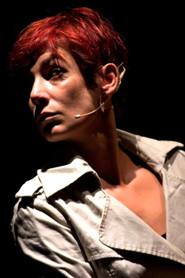
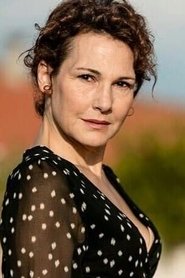
The documentary features Donatello Fumarola, Rossella Dassu, Giulietta De Bernardi, Mariella Navale, and Anna Ferruzzo as its central figures.
Is Past Present, Lay Angels Fall (2005) worth watching?
While *Past Present, Lay Angels Fall* (2005) may not be widely rated, its unique blend of poetic documentary and existential themes makes it compelling for fans of art-house cinema. If you appreciate films that challenge perceptions of migration and identity, this 90-minute journey is worth your time.
How long is Past Present, Lay Angels Fall?
The runtime of *Past Present, Lay Angels Fall* (2005) is 90 minutes.
Past Present, Lay Angels Fall (2005): A Poetic Exploration of Migration and Identity
Wander through the fragmented landscapes of *Past Present, Lay Angels Fall (2005)*, Tonino De Bernardi's evocative documentary that weaves together the stories of individuals caught in the currents of migration—not just across borders, but through time, memory, and the very essence of self. Starring Donatello Fumarola, Rossella Dassu, and Giulietta De Bernardi, this 90-minute meditation on displacement unfolds like a visual poem, capturing the restless motion of human experience. De Bernardi's lens lingers on the quiet struggles and fleeting moments of transformation, blending documentary realism with poetic ambiguity to explore how movement shapes identity. The film's atmosphere is one of melancholic beauty, where every frame feels like a snapshot of someone—or something—on the verge of becoming or slipping away.
Set against the backdrop of personal and collective upheaval, *Past Present, Lay Angels Fall* (2005) challenges viewers to reconsider what it means to be in transit. Through its meditative pace and unflinching focus on its subjects, the documentary becomes a mirror for the viewer's own reflections on change and belonging. The interplay of body, place, and time creates a haunting narrative that lingers long after the credits roll, making it a standout in the documentary genre for those who seek depth beyond conventional storytelling.