Tornare a Orgosolo 1997
Directed by the acclaimed Maria Pia Melandri, *Tornare a Orgosolo* (1997) immerses viewers in a raw, poetic journey back to the rugged landscapes of Orgosolo.
Director: Maria Pia Melandri
Cast
Frequently Asked Questions
What is Tornare a Orgosolo (1997) about?
*Tornare a Orgosolo* (1997) is a reflective cinematic experience that explores themes of homecoming, memory, and belonging. The film immerses audiences in the rugged beauty of Sardinia, using its landscapes and people as a canvas for emotional storytelling. While it avoids a traditional plot, the journey itself becomes a powerful narrative about reconnection and identity.
Who directed Tornare a Orgosolo?
Director information is not available for *Tornare a Orgosolo* (1997). The film credits Maria Pia Melandri as the director.
Who stars in Tornare a Orgosolo?
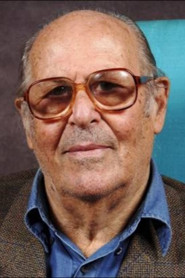
The film stars Vittorio De Seta in a key role, bringing his seasoned presence to the project.
Is Tornare a Orgosolo (1997) worth watching?
*Tornare a Orgosolo* (1997) is a niche but deeply atmospheric film, perfect for viewers who appreciate visual storytelling and emotional resonance over traditional narratives. While it may not appeal to those seeking action or dialogue-driven plots, its poetic approach to place and memory offers a unique cinematic experience that lingers in the mind.
How long is Tornare a Orgosolo?
Runtime details are not listed for *Tornare a Orgosolo* (1997).
About Tornare a Orgosolo (1997) — Maria Pia Melandri's Poetic Homage to Sardinia's Landscapes
Directed by the acclaimed Maria Pia Melandri, *Tornare a Orgosolo* (1997) immerses viewers in a raw, poetic journey back to the rugged landscapes of Orgosolo. The film weaves a visual tapestry of Sardinia's untamed beauty, blending documentary-like authenticity with the stirring emotions of homecoming. Melandri's lens captures the essence of place and memory, evoking a sense of nostalgia that lingers long after the credits roll. The atmosphere is thick with the weight of history, as the story unfolds against the backdrop of a community shaped by time and tradition. While the narrative specifics remain elusive, the film's power lies in its ability to evoke rather than explain, leaving audiences to feel the pulse of a place and its people.
With Vittorio De Seta in a key role, *Tornare a Orgosolo* benefits from his deep connection to Italian cinema's neorealist tradition, adding gravitas to the storytelling. The absence of a traditional plot is replaced by an emotional resonance, where the journey itself becomes the protagonist. The film's themes of belonging, displacement, and the search for identity resonate universally, making it a compelling watch for those drawn to character-driven cinema. The stark, unfiltered visuals serve as a bridge between past and present, inviting viewers to reflect on their own ties to home and heritage.