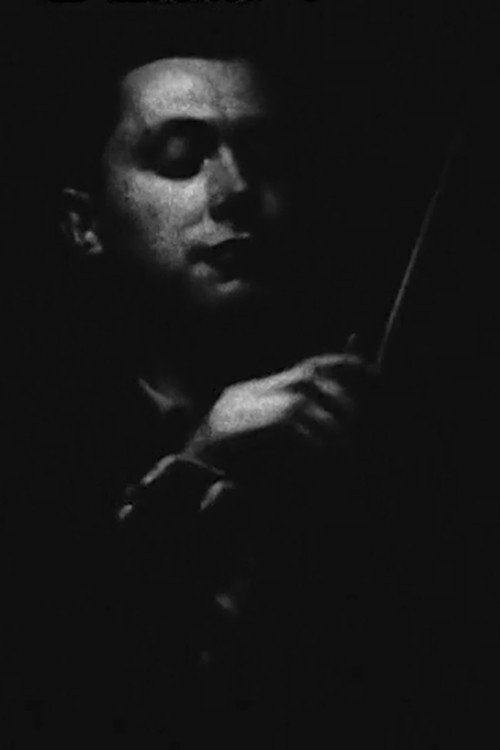
Jazz 1935
Jazz (1935) stands as a fascinating footnote in early cinema, a fleeting avant-garde experiment by Hungarian architect and amateur filmmaker Dudás László.
Director: Dudás László
Frequently Asked Questions
What is Jazz (1935) about?
Jazz (1935) is a cryptic, two-minute avant-garde experiment that merges experimental visuals with synchronized sound. Its abstract imagery and rhythmic pacing mirror the improvisational spirit of jazz music, though its exact narrative or intent remains unclear.
Who directed Jazz?
Jazz was directed by Dudás László, a Hungarian architect and amateur filmmaker whose fleeting foray into cinema created one of the era's most enigmatic works.
Who stars in Jazz?
Casting details for Jazz (1935) are not listed in available records, leaving its performers unknown.
Is Jazz (1935) worth watching?
As a historical curiosity rather than a conventional film, Jazz (1935) fascinates for its experimental ambition and rarity. Its brevity and mystery make it more of a footnote than a must-see, but historians and cinephiles may find its avant-garde approach intriguing.
How long is Jazz?
Jazz (1935) runs for 2 minutes.
About Jazz (1935) — The Lost Avant-Garde Short Film Experiment
Jazz (1935) stands as a fascinating footnote in early cinema, a fleeting avant-garde experiment by Hungarian architect and amateur filmmaker Dudás László. Clocking in at just two minutes, this obscure short film defies conventional categorization—blending experimental visuals with synchronized sound in an era when most movies were still silent. Though the exact nature of its soundtrack remains a mystery, the film's bold approach to rhythm and movement evokes the raw energy of jazz music itself, creating a hypnotic, almost abstract experience.
Its historical significance lies not in its length but in its audacity: a lone artist's visionary leap into sound cinema decades before the medium became standard. Without scripts or detailed records, Jazz (1935) survives as a ghostly relic—a whispered legend in the archives of Hungarian film history. For cinephiles and historians alike, it's a tantalizing puzzle, offering more questions than answers about the boundaries of early filmmaking.