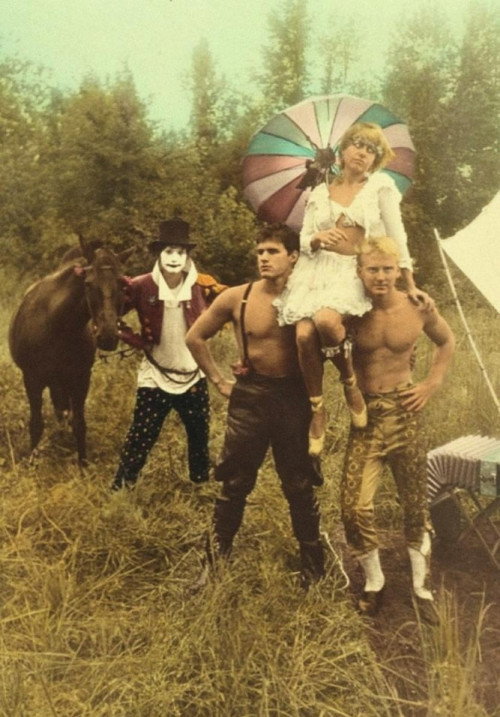
Carnival 1983
James Herbert's *Carnival (1983)* is a compact musical short that unfolds like a vibrant, fleeting snapshot of life under the big top.
Director: James Herbert
Frequently Asked Questions
What is Carnival (1983) about?
This twelve-minute musical short immerses viewers in the vibrant, transient world of a traveling carnival, blending music and visuals to explore themes of freedom and fleeting moments. The film captures the sensory richness of fairground life, where each scene feels like a snapshot of a larger, unseen story.
Who directed Carnival?
James Herbert directed *Carnival (1983)*, bringing his signature atmospheric style to this concise musical experience.
Who stars in Carnival?
The cast of *Carnival (1983)* is not officially credited, but the film's focus is on the carnival itself, with its performers and patrons shaping the story.
Is Carnival (1983) worth watching?
At just twelve minutes, *Carnival (1983)* is a curio worth watching for fans of atmospheric, music-driven short films. Its unique blend of visual and auditory storytelling offers a refreshing take on the genre, though its niche appeal may limit broader interest.
How long is Carnival?
The runtime for *Carnival (1983)* is exactly twelve minutes.
About Carnival (1983) — A Musical Short Film Under the Big Top
James Herbert's *Carnival (1983)* is a compact musical short that unfolds like a vibrant, fleeting snapshot of life under the big top. Set against the colorful chaos of a traveling carnival, the film weaves a dreamlike tapestry of music, movement, and human stories—capturing the bittersweet allure of freedom, wonder, and impermanence. With a runtime of just twelve minutes, Herbert crafts an atmospheric micro-journey where the sights and sounds of the fairground become a metaphor for fleeting moments and the ephemeral nature of joy. The film's visual rhythm and musical tone evoke a mood that's both nostalgic and exhilarating, making it a unique entry in the world of genre-blending cinema.
Though the cast remains uncredited in official records, the film's genius lies in its immersive design—where the carnival itself is the star. Herbert's direction leans into sensory storytelling, using the fair's neon glow, the hum of the crowd, and the pulse of unseen music to create an experience that feels both intimate and expansive. *Carnival* isn't just a movie; it's an invitation to step into a world where every face tells a story and every sound lingers long after the credits roll.