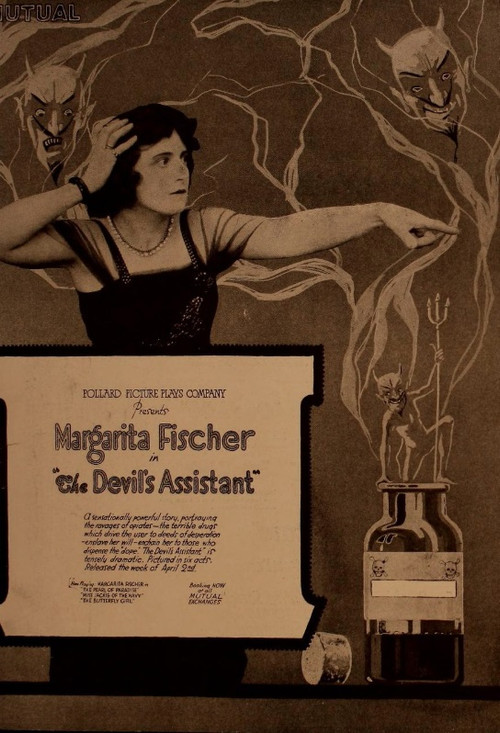
The Devil's Assistant 1917
In *The Devil's Assistant (1917)*, Harry A. Pollard crafts a haunting silent-era horror-drama that plunges viewers into a nightmarish tale of obsession and vengeance. The story centers on a vengeful physician whose love is torn away when she marries another man.
Director: Harry A. Pollard
Cast
Frequently Asked Questions
What is The Devil's Assistant (1917) about?
*The Devil's Assistant* follows a heartbroken physician who, after losing the woman he loves to another man, retaliates by dosing her with a drug that drives her toward insanity. The film charts her psychological unraveling in a visually striking sequence that mirrors a journey through hell, blending horror and drama in a way that feels eerily modern for its time.
Who directed The Devil's Assistant?
The movie was directed by Harry A. Pollard, a filmmaker known for his work in silent cinema during the early 20th century.
Who stars in The Devil's Assistant?
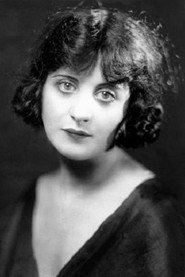
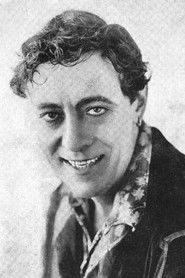
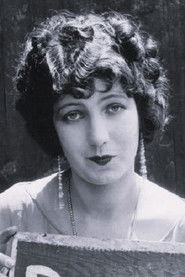
The film features Margarita Fischer in the lead role, with Monroe Salisbury, Kathleen Kirkham, Jack Mower, and Joe Harris rounding out the cast.
Is The Devil's Assistant (1917) worth watching?
As an early example of psychological horror and silent-era drama, *The Devil's Assistant* offers a fascinating glimpse into the genre's evolution. While it may lack the polish of later films, its themes of vengeance and madness remain compelling, especially for fans of vintage horror. Its short runtime and unique visual style make it a worthy watch for enthusiasts of classic cinema.
How long is The Devil's Assistant?
The runtime for *The Devil's Assistant* is 58 minutes.
About The Devil's Assistant (1917) — A Silent-Era Horror Classic of Revenge and Madness
In *The Devil's Assistant (1917)*, Harry A. Pollard crafts a haunting silent-era horror-drama that plunges viewers into a nightmarish tale of obsession and vengeance. The story centers on a vengeful physician whose love is torn away when she marries another man. His twisted act of revenge involves dosing her with a potent, mind-altering drug to fuel her descent into madness—a journey vividly brought to life in a hallucinatory, red-tinted sequence that simulates a harrowing trip through hell. Fischer's portrayal of the tormented woman anchors the film, while Salisbury and Kirkham round out a cast delivering performances steeped in silent-era drama's emotional intensity. The film's gothic atmosphere and themes of unchecked passion and psychological collapse make it a standout in early horror cinema.
Directed with a flair for the macabre, *The Devil's Assistant (1917)* blends psychological horror with the dramatic conventions of the silent era. The story's descent into surreal nightmare imagery, marked by its striking visual style, sets it apart from other films of its time. While the movie's runtime is brief, its impact lingers, offering a chilling exploration of love turned to poison and the fragility of the human mind under duress.