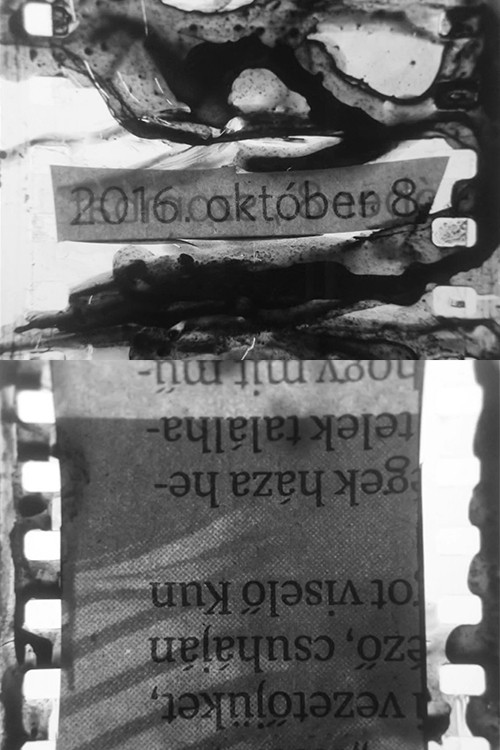
8th October 2016 2016
Hungarian animator Bori Máté transforms a moment of political rupture into a bold, two-minute visual essay in 8th October 2016 (2016).
Director: Bori Máté
Frequently Asked Questions
What is 8th October 2016 (2016) about?
This animated documentary ties the shutdown of Hungary's largest opposition newspaper to a visceral, paper-based collage that questions how truth survives when institutions are silenced. Director Bori Máté layers shredded headlines to craft a minute-long elegy for free speech.
Who directed 8th October 2016?
The short was directed by Bori Máté, a Hungarian animator whose experimental style often explores political and social themes.
Who stars in 8th October 2016?
As an animated documentary, the film features no traditional cast; it stars the shredded pages of Népszabadság itself.
Is 8th October 2016 (2016) worth watching?
Though brief, this experimental piece delivers outsized emotional impact through its tactile storytelling and timely subject. Without a rating from IMDb, its value lies in its bold visual language and resonance with current debates about media freedom.
How long is 8th October 2016?
The runtime is 2 minutes.
About 8th October 2016 (2016) — A two-minute visual protest born from a newspaper's collapse
Hungarian animator Bori Máté transforms a moment of political rupture into a bold, two-minute visual essay in 8th October 2016 (2016). On that date, the staff of Hungary's largest opposition newspaper, Népszabadság, was dismissed en masse, silencing a vital voice in the public sphere. Crafting a tactile collage from the shredded pages of that day's issue, Máté layers ink and paper into a haunting meditation on censorship and the fragility of truth. The jagged edges of each page remind viewers that context is often the first casualty when information is weaponized.
This experimental short bridges animation and documentary, using stop-motion and paper craft to evoke urgency and loss. The absence of dialogue amplifies the emotional weight, while the raw, tactile medium underscores the physicality of control and erasure. It's a brief but unforgettable statement on power, dissent, and the enduring human need for free expression.