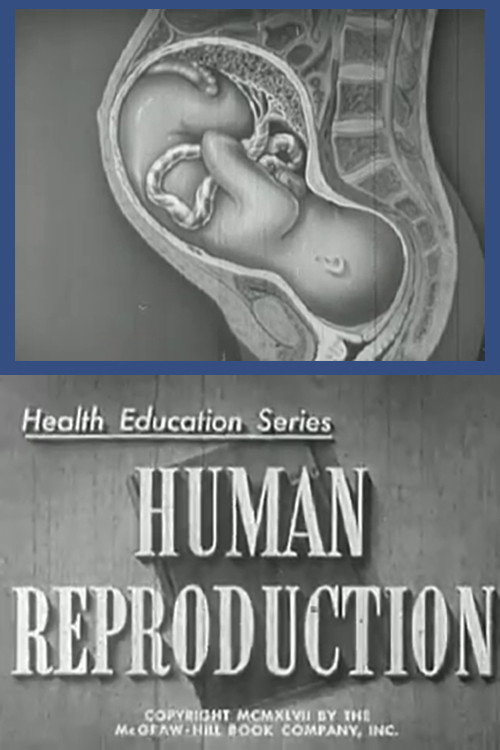
Human Reproduction 1947
Dive into the scientific intricacies of life's most fundamental process with *Human Reproduction (1947)*, a concise yet enlightening documentary that breaks down the biological and physiological wonders behind human conception.
Frequently Asked Questions
What is Human Reproduction (1947) about?
*Human Reproduction (1947)* is an educational short film that explains the biological process of human conception, from fertilization to early development. It simplifies complex scientific concepts into an easy-to-understand format, making it ideal for students and general audiences interested in biology or reproductive health.
Who directed Human Reproduction?
Director information is not available.
Who stars in Human Reproduction?
The main cast and performers are not listed for this documentary.
Is Human Reproduction (1947) worth watching?
While *Human Reproduction (1947)* is a short documentary with no IMDb rating, its educational value shines through its clear presentation of fundamental biological processes. It's a niche film best suited for those studying human reproduction, biology students, or anyone curious about the science behind life's beginnings.
How long is Human Reproduction?
The runtime for *Human Reproduction (1947)* is 21 minutes.
About Human Reproduction (1947) — Educational Documentary on Human Conception
Dive into the scientific intricacies of life's most fundamental process with *Human Reproduction (1947)*, a concise yet enlightening documentary that breaks down the biological and physiological wonders behind human conception. This 21-minute short film serves as an educational journey through the stages of fertilization, development, and early growth, presented in a clear, accessible style tailored for students and curious minds alike. The film's straightforward yet immersive approach transforms complex biological concepts into engaging visual storytelling, making it a fascinating watch for anyone interested in human biology.
Though modest in length, *Human Reproduction (1947)* delivers a remarkably thorough overview, blending scientific accuracy with a tone that feels both authoritative and approachable. As a period piece, it offers a unique glimpse into mid-20th-century educational filmmaking, where practical demonstrations and thoughtful narration took center stage over flashy effects. Whether revisiting it for nostalgia or discovering it for the first time, this documentary remains a compelling resource for understanding the miracle of life at its most basic level.