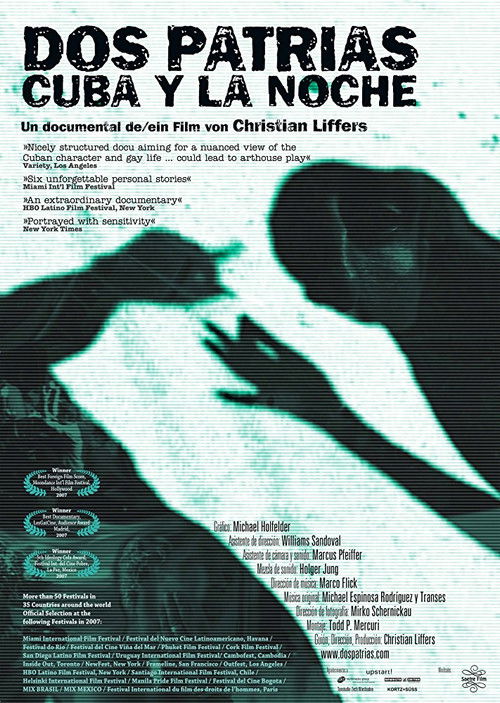
Two Homelands: Cuba and the Night 2007
Director Christian Liffers embarks on a poetic journey to Cuba in *Two Homelands: Cuba and the Night* (2007), carrying the powerful words of Cuban author Reinaldo Arenas.
Director: Christian Liffers
Frequently Asked Questions
What is *Two Homelands: Cuba and the Night* (2007) about?
This documentary follows director Christian Liffers as he travels to Cuba, guided by the writings of Cuban author Reinaldo Arenas. It examines themes of love, sexual liberation, and defiance against discrimination, questioning whether these ideals still thrive on the island today.
Who directed *Two Homelands: Cuba and the Night*?
The film was directed by Christian Liffers, who blends poetic storytelling with cultural exploration in this Cuba-focused documentary.
Who stars in *Two Homelands: Cuba and the Night*?
Director Christian Liffers leads the film's journey, while the documentary features the poetic and prose works of Cuban author Reinaldo Arenas as its guiding narrative voice.
Is *Two Homelands: Cuba and the Night* (2007) worth watching?
*Two Homelands: Cuba and the Night* offers a visually compelling and thought-provoking look at Cuba through the lens of Arenas' legacy. Though unrated, its documentary style and thematic depth make it a compelling watch for fans of cultural explorations and poetic filmmaking.
How long is *Two Homelands: Cuba and the Night*?
The documentary runs for 83 minutes.
Two Homelands: Cuba and the Night (2007) — A Cuban documentary exploring love, freedom and Reinaldo Arenas' legacy
Director Christian Liffers embarks on a poetic journey to Cuba in *Two Homelands: Cuba and the Night* (2007), carrying the powerful words of Cuban author Reinaldo Arenas. His team follows a trail of poems and prose that pulse with longing—yearning for love, unrestrained freedom, and unyielding defiance against oppression. Through Arenas' evocative texts, the documentary explores whether these fiery ideals still resonate in modern Cuba or if they've been reshaped by time and external perceptions.
The film blends intimate reflections with cultural critique, questioning how outsiders perceive the island's identity versus its reality. Liffers' lens captures the tension between Cuba's vibrant spirit and the shadows of its complex history, all while Arenas' writings serve as both guide and ghost, haunting and inspiring the journey. The result is a visually striking meditation on desire, rebellion, and the enduring power of art to challenge societal norms.