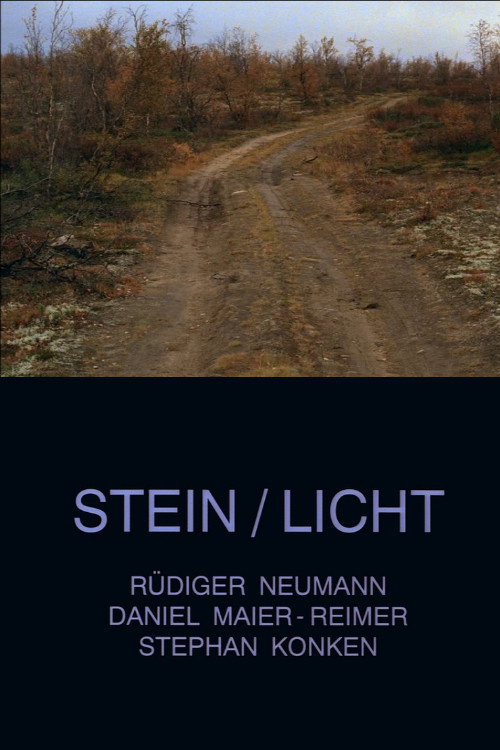
Stein/Licht 1993
Stein/Licht (1993) is a compelling documentary by Rüdiger Neumann that explores the act of perception itself, challenging viewers to reconsider how we see and interpret the world around us.
Director: Rüdiger Neumann
Frequently Asked Questions
What is Stein/Licht (1993) about?
Stein/Licht (1993) is an experimental documentary that explores the act of looking and the difference between seeing and seeking. It uses visuals to strip away distractions and focus on how we perceive light and shadow, turning everyday objects into subjects of deep contemplation.
Who directed Stein/Licht?
Stein/Licht was directed by Rüdiger Neumann, a filmmaker known for his innovative and introspective approach to visual storytelling.
Who stars in Stein/Licht?
The film doesn't feature a traditional cast, as its power lies in its visual narrative rather than character performances.
Is Stein/Licht (1993) worth watching?
Stein/Licht (1993) is a niche documentary that may appeal to fans of experimental and introspective cinema. Its 34-minute runtime keeps it concise, but its abstract nature means it's better suited for viewers who enjoy thought-provoking visual experiences rather than conventional storytelling.
How long is Stein/Licht?
Stein/Licht runs for 34 minutes.
About Stein/Licht (1993) — A Minimalist Documentary That Challenges How You Look
Stein/Licht (1993) is a compelling documentary by Rüdiger Neumann that explores the act of perception itself, challenging viewers to reconsider how we see and interpret the world around us. Through a minimalist visual approach, the film strips away distractions to focus on the essence of vision—what it means to look versus what it means to seek. The 34-minute runtime keeps the experience tight and immersive, making it a unique entry in the experimental documentary genre. With an introspective tone, the film lingers on textures, light, and shadows, turning everyday objects into subjects of deep contemplation. It's a work that doesn't just present its themes but embodies them, inviting audiences to engage with the act of seeing in a way that feels both poetic and profound.
Rüdiger Neumann's direction leans into the abstract, using visual storytelling to blur the line between observation and interpretation. While the cast isn't prominently listed, the film's power lies in its imagery and the ideas it evokes rather than traditional character dynamics. For cinephiles and documentary enthusiasts, Stein/Licht (1993) offers a meditative experience that lingers long after the credits roll, making it a hidden gem for those who appreciate cinema that challenges as much as it entertains.