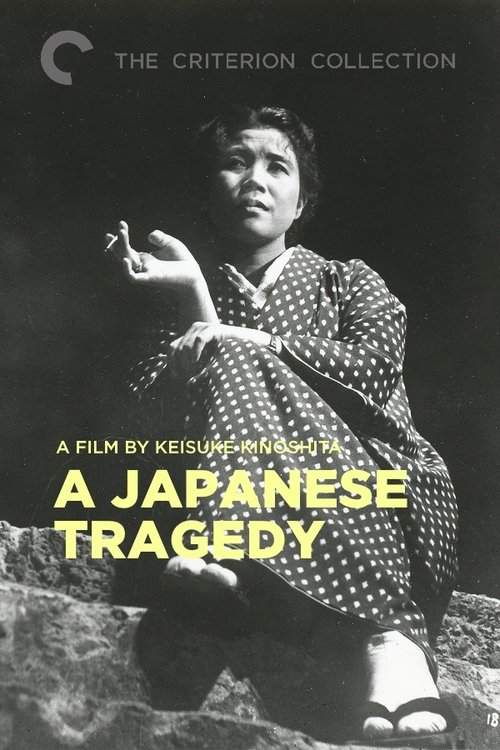
A Japanese Tragedy 1953
A Japanese Tragedy (1953), directed by the masterful Keisuke Kinoshita, is a poignant post-war drama that explores the quiet devastation of maternal sacrifice.
Director: Keisuke Kinoshita
Cast
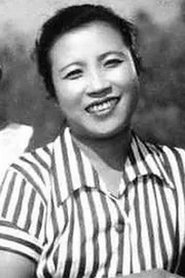
Yūko Mochizuki
Haruko Inoue
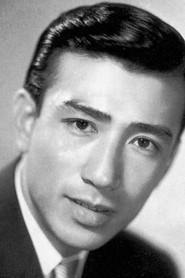
Keiji Sada
Tatsuya
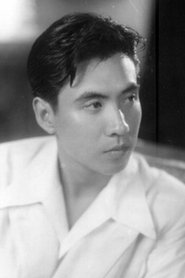
Teiji Takahashi
Sato
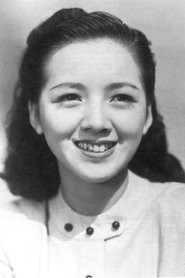
Yōko Katsuragi
Haruko's daughter

Sanae Takasugi
Mrs. Akazawa

Ken Uehara
Masayuki Akazawa

Keiko Awaji
Wakamaru, a geisha
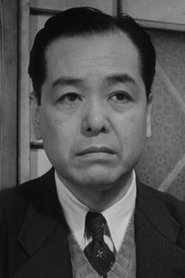
Shinichi Himori
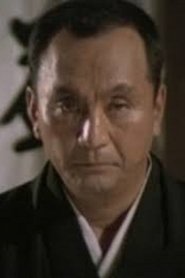
Fujio Suga
Fujita
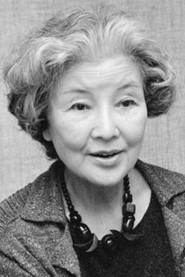
Tanie Kitabayashi
Ichizo's wife
Frequently Asked Questions
What is A Japanese Tragedy (1953) about?
A Japanese Tragedy (1953) is a post-war family drama that follows a widowed mother's relentless sacrifices as her children grow distant in pursuit of material wealth. The film captures the emotional toll of unreciprocated love and the harsh realities of post-war Japan, where poverty and ambition collide.
Who directed A Japanese Tragedy?
A Japanese Tragedy was directed by Keisuke Kinoshita, a renowned Japanese filmmaker known for his emotionally charged dramas that explore social and familial struggles.
Who stars in A Japanese Tragedy?
The film stars Yūko Mochizuki as the devoted mother, alongside Keiji Sada, Yōko Katsuragi, Teiji Takahashi, and Ken Uehara in pivotal roles.
Is A Japanese Tragedy (1953) worth watching?
A Japanese Tragedy (1953) is a powerful and emotionally resonant drama that offers a raw look at post-war family dynamics. While it isn't flashy, its themes of sacrifice and ungratefulness resonate deeply, making it a compelling watch for fans of classic, character-driven films.
How long is A Japanese Tragedy?
A Japanese Tragedy has a runtime of 116 minutes.
About A Japanese Tragedy (1953) — A Post-War Drama of Sacrifice and Heartbreak
A Japanese Tragedy (1953), directed by the masterful Keisuke Kinoshita, is a poignant post-war drama that explores the quiet devastation of maternal sacrifice. The film follows a widowed mother, portrayed with heartbreaking depth by Yūko Mochizuki, who pours her soul into raising her children in a world of scarcity and hardship. As her once-devoted son and daughter grow increasingly disillusioned by their modest life, their search for material comforts drives a wedge between them, leaving the mother's sacrifices unnoticed and her despair deepening with every passing day. Set against the backdrop of Japan's post-war struggles, this emotionally charged drama delves into themes of sacrifice, family betrayal, and the harsh realities of a society rebuilding itself. The film's raw emotional power lingers long after the credits roll, making it a timeless exploration of human resilience and heartbreak.
Keiji Sada and Yōko Katsuragi deliver compelling performances as the ungrateful children, their choices painting a stark portrait of a generation torn between gratitude and ambition. Kinoshita's direction captures the film's melancholic atmosphere with a keen eye for detail, blending quiet moments of tenderness with scenes of crushing disappointment. A Japanese Tragedy (1953) is more than just a drama—it's a visceral journey through the complexities of love, duty, and the cost of progress in a world where emotional debts are rarely repaid.