Eine Frau für drei Tage 1944
A lighthearted wartime comedy from 1944, *Eine Frau für drei Tage* (A Woman for Three Days) delivers classic German humor under Fritz Kirchhoff's direction. The film follows a clever woman navigating a complex love triangle, where her charm and wit become her greatest assets.
Director: Fritz Kirchhoff
Cast



Frequently Asked Questions
What is Eine Frau für drei Tage (1944) about?
This wartime comedy follows a spirited woman entangled in a love triangle over the course of three days. Her quick thinking and charm become the tools to navigate romantic chaos, weaving a tale of wit and heart.
Who directed Eine Frau für drei Tage?
Fritz Kirchhoff directed this 1944 German comedy, known for his work in mid-century cinema.
Who stars in Eine Frau für drei Tage?
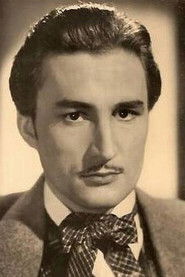
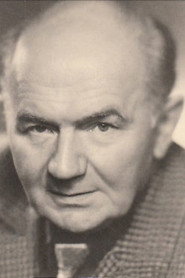
The film features Hannelore Schroth, Carl Raddatz, and Ursula Herking as its leading trio, with Charlotte Witthauer and Erich Dunskus in supporting roles.
Is Eine Frau für drei Tage (1944) worth watching?
As a classic German comedy from 1944, it offers nostalgic charm and lighthearted entertainment. While it may lack modern CGI spectacle, its clever dialogue and performances make it a worthy watch for fans of vintage filmmaking.
How long is Eine Frau für drei Tage?
The film runs for 81 minutes, a concise runtime perfect for a quick, enjoyable movie experience.
About Eine Frau für drei Tage (1944) — Classic German Comedy with Hannelore Schroth
A lighthearted wartime comedy from 1944, *Eine Frau für drei Tage* (A Woman for Three Days) delivers classic German humor under Fritz Kirchhoff's direction. The film follows a clever woman navigating a complex love triangle, where her charm and wit become her greatest assets. Set against the backdrop of mid-century Europe, it blends playful misunderstandings with a heartfelt exploration of relationships and resilience. Hannelore Schroth shines as the resourceful lead, with Carl Raddatz and Ursula Herking adding comedic flair in supporting roles, creating a charming escape from the era's heavier realities.
Despite its historical context, the movie's focus remains on the timeless dance of romance and miscommunication. The comedy unfolds with snappy dialogue and situational humor, making it a snapshot of 1940s German cinema at its most entertaining. While not overtly political, the film's lighthearted tone offers a brief respite from the period's tensions, wrapping viewers in a world of laughter and unexpected connections.