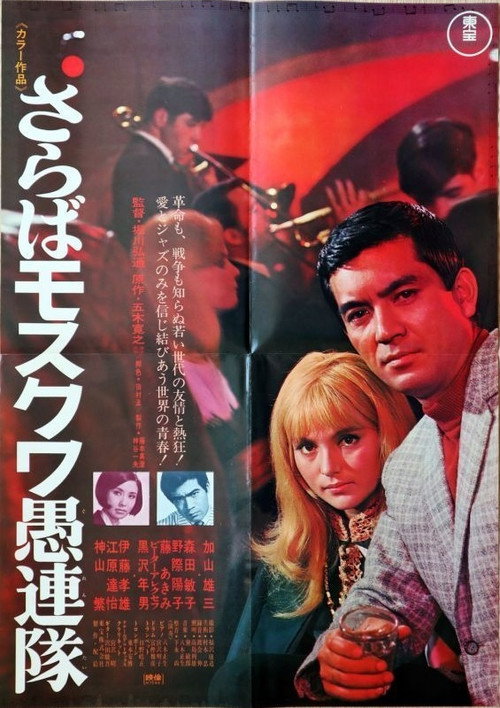
Good-bye Moscow 1968
In the atmospheric drama *Good-bye Moscow* (1968), directed by Hiromichi Horikawa, a once-passionate jazz pianist turned slick promoter discovers that success doesn't fill the void in his life.
Director: Hiromichi Horikawa
Cast

Frequently Asked Questions
What is Good-bye Moscow (1968) about?
The film follows a former jazz pianist turned promoter who, despite his professional success, feels unfulfilled. When sent to Moscow with a jazz combo, he encounters the city's rebellious youth scene, only to realize their defiance can't fill the emptiness he carries.
Who directed Good-bye Moscow?
Hiromichi Horikawa directed *Good-bye Moscow*, a Japanese drama set against the cultural tensions of 1960s Moscow.
Who stars in Good-bye Moscow?
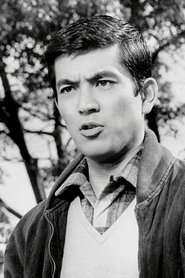
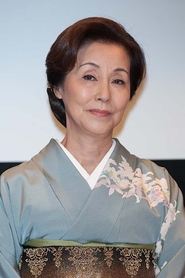
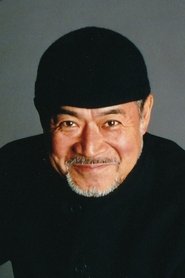
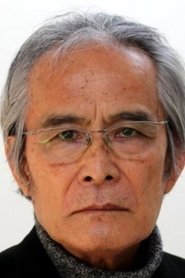
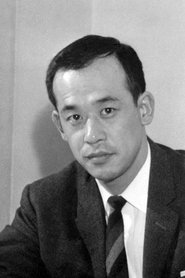
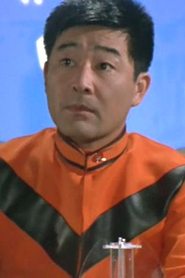
The film features Yūzō Kayama as the lead, alongside Toshiko Morita, Yoko Nogiwa, Akimi Fuji, and Toshio Kurosawa.
Is Good-bye Moscow (1968) worth watching?
While it's not widely known outside niche circles, *Good-bye Moscow* offers a compelling blend of jazz-infused drama and Cold War intrigue. Its themes of disillusionment and cultural exchange make it a standout for fans of character-driven films with a historical twist. Worth seeing for its atmosphere alone.
How long is Good-bye Moscow?
The runtime for *Good-bye Moscow* (1968) is 97 minutes.
About Good-bye Moscow (1968) — A Jazz Pianist's Search for Meaning Behind the Iron Curtain
In the atmospheric drama *Good-bye Moscow* (1968), directed by Hiromichi Horikawa, a once-passionate jazz pianist turned slick promoter discovers that success doesn't fill the void in his life. Sent to Moscow with a jazz ensemble, he's drawn into the city's underground dissident movement, where young rebels challenge the status quo—yet even their passion fails to reignite his lost sense of purpose. The film contrasts the glamour of his career with the raw energy of the youth culture, painting a bittersweet portrait of disillusionment and fleeting connection.
Set against the backdrop of Cold War-era Moscow, *Good-bye Moscow* (1968) explores themes of existential emptiness and the search for meaning, all wrapped in the smoky allure of jazz. With standout performances from Yūzō Kayama, Toshiko Morita, and Yoko Nogiwa, Horikawa crafts a melancholic yet vibrant cinematic experience that lingers long after the final note fades. The film's moody visuals and introspective tone make it a hidden gem for fans of character-driven dramas.