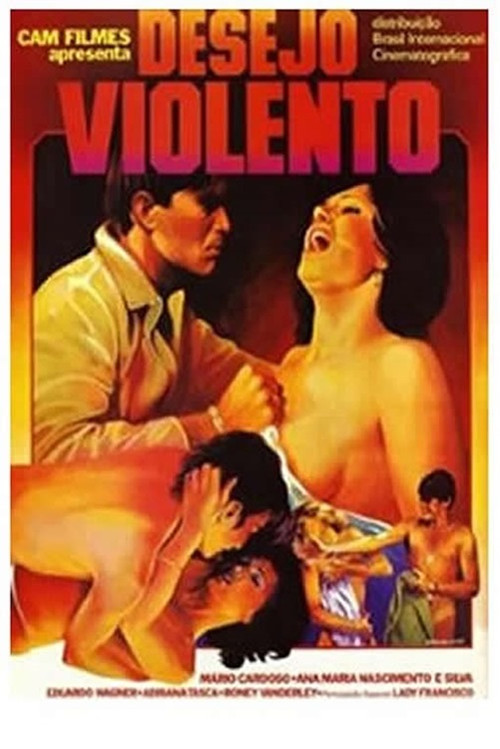
Desejo Violento 1978
Desejo Violento (1978), directed by Roberto Mauro, plunges viewers into the gritty underworld of São Paulo's criminal scene.
Director: Roberto Mauro
Cast






Frequently Asked Questions
What is Desejo Violento (1978) about?
Desejo Violento (1978) dives into the seedy underbelly of São Paulo's crime scene, following characters caught in a web of betrayal and high-stakes choices. The story focuses on the moral and emotional fallout of illegal dealings, where trust is a luxury few can afford.
Who directed Desejo Violento?
Desejo Violento was directed by Roberto Mauro, a filmmaker known for his work in Brazilian cinema during the 1970s.
Who stars in Desejo Violento?
The film features Mário Cardoso, Ana Maria Nascimento e Silva, Lady Francisco, Inezita Barroso, and Andrea Camargo in key roles.
Is Desejo Violento (1978) worth watching?
While Desejo Violento (1978) isn't rated on IMDb, its crime genre and 1970s Brazilian cinema context make it a compelling watch for fans of gritty, atmospheric thrillers. The film's raw energy and strong performances from its cast outweigh any lack of mainstream recognition.
How long is Desejo Violento?
Runtime details for Desejo Violento (1978) are not listed.
About Desejo Violento (1978) — A Gritty Crime Thriller from Roberto Mauro
Desejo Violento (1978), directed by Roberto Mauro, plunges viewers into the gritty underworld of São Paulo's criminal scene. This crime thriller unfolds against a backdrop of neon-lit streets and shadowy dealings, where ambition and desperation collide as characters navigate a world of betrayal and violence. Mauro crafts a tense atmosphere, blending suspense with raw emotional stakes, as the story explores the consequences of unchecked desire and the blurred lines between law and lawlessness.
The film's cast, led by Mário Cardoso and Ana Maria Nascimento e Silva, delivers performances that amplify the story's intensity, with Lady Francisco and Inezita Barroso adding layers of intrigue. As the plot thickens, Desejo Violento (1978) examines themes of power, corruption, and the human cost of crime, all wrapped in a pulpy, stylish package that feels both timeless and distinctly Brazilian.