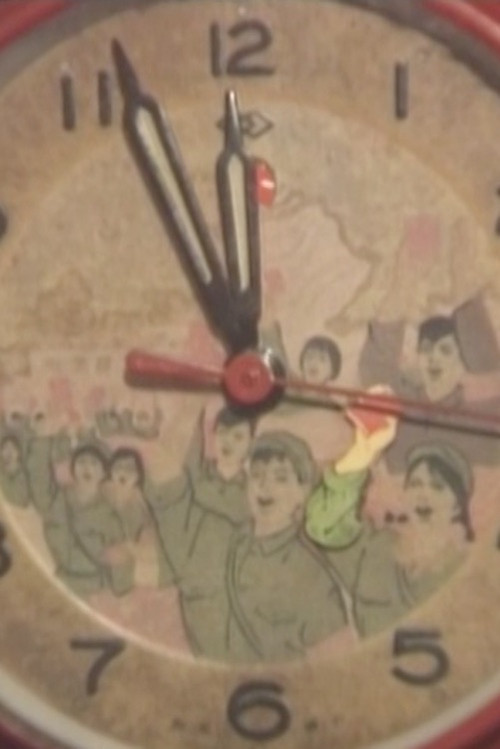
1966, My Time in the Red Guards 1993
"1966, My Time in the Red Guards" (1993) is director Wu Wenguang's introspective documentary that revisits the turbulent era of Mao's Cultural Revolution through the eyes of those who once marched as Red Guards.
Director: Wu Wenguang
Frequently Asked Questions
What is 1966, My Time in the Red Guards (1993) about?
Wu Wenguang's documentary explores how a generation of high school students joined the Red Guards during China's Cultural Revolution, only to later reflect on the cost of their idealism. Through candid interviews, former Red Guards now successful professionals revisit their past, revealing the tragic gap between revolutionary dreams and human consequences.
Who directed 1966, My Time in the Red Guards?
The film was directed by Wu Wenguang, a pioneering figure in China's independent documentary movement known for his intimate, socially conscious storytelling.
Who stars in 1966, My Time in the Red Guards?
The film features interviews with former Red Guards who were high school students in 1966, though specific names are not listed in the available credits.
Is 1966, My Time in the Red Guards (1993) worth watching?
As a documentary about memory and ideology, it offers a rare, personal perspective on a pivotal historical moment. While unrated and not widely commercial, its quiet intensity and thematic depth make it compelling for viewers interested in political history or documentary filmmaking.
How long is 1966, My Time in the Red Guards?
The documentary runs for 140 minutes.
About 1966, My Time in the Red Guards (1993) — A Documentary Reckoning with Youth and Revolution
"1966, My Time in the Red Guards" (1993) is director Wu Wenguang's introspective documentary that revisits the turbulent era of Mao's Cultural Revolution through the eyes of those who once marched as Red Guards. Through 140 minutes of raw, reflective interviews, Wu captures former high-school activists—now established professionals and even Party members—confronting the ironies and heartbreaks of their youthful idealism. The film doesn't glorify revolution but dissects its human cost: misplaced fervor, unintended cruelty, and the irreversible gap between youthful dreams and adult realities. Shot in a quiet, personal tone, it transforms personal memories into a collective reckoning with history's shadow.
This documentary lingers not just on ideology, but on identity—how the Red Guards' self-image as revolutionary heroes clashes with the legacy of their actions. Wu's focus isn't on politics alone, but on the emotional topography of a generation scarred by a movement that claimed to empower while stripping away nuance. The result is a haunting, understated portrait of idealism turned tragedy, where every interviewee's voice reveals more than nostalgia—it reveals the fragility of conviction under ideological pressure.