Place Mattes 1987
Dive into the mesmerizing world of *Place Mattes (1987)*, Barbara Hammer's avant-garde short film that blurs the lines between perception and presence.
Director: Barbara Hammer
Frequently Asked Questions
What is Place Mattes (1987) about?
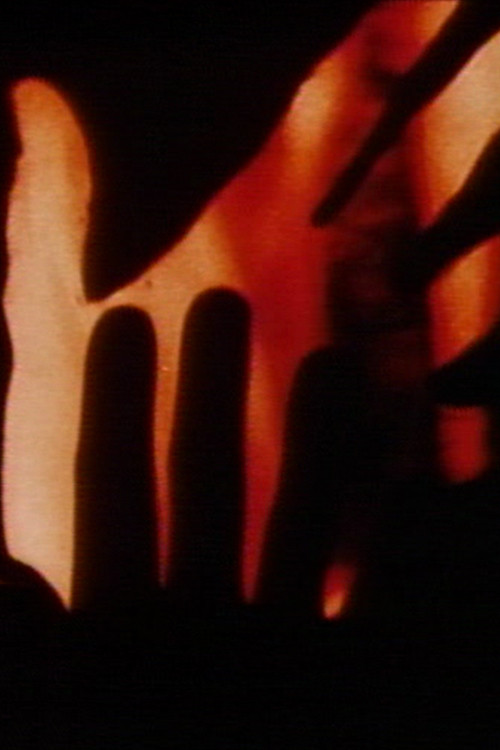
*Place Mattes* is an experimental animated short that plays with the idea of space as something intangible yet tangible. Using optical printing and matte techniques, Barbara Hammer creates a visual puzzle where locations feel fleeting and elusive, blurring the line between external reality and internal perception.
Who directed Place Mattes?
Place Mattes was directed by Barbara Hammer, a pioneering figure in experimental and feminist cinema known for her innovative visual storytelling.
Who stars in Place Mattes?
Cast details for Place Mattes are not publicly listed, as it's an abstract experimental film.
Is Place Mattes (1987) worth watching?
If you appreciate experimental animation that challenges conventional storytelling, *Place Mattes* is absolutely worth your time. Its short runtime and hypnotic visuals make it a standout in the avant-garde genre, though it may not appeal to those seeking traditional narratives. Its experimental nature and thematic depth give it lasting impact.
How long is Place Mattes?
Place Mattes has a runtime of 8 minutes.
About Place Mattes (1987) — A Hypnotic Short Film on Space and Perception
Dive into the mesmerizing world of *Place Mattes (1987)*, Barbara Hammer's avant-garde short film that blurs the lines between perception and presence. At just 8 minutes long, this experimental animation employs optical printing and travelling mattes to create a hauntingly fluid dance of spatial illusions. Hammer crafts a meditative exploration of the gaps between reaching and touching, challenging viewers to question what's eternal versus what's internal. Shot through with hypnotic visuals, the film invites audiences into a dreamlike realm where boundaries dissolve and the act of observation becomes a tactile experience.
Place Mattes doesn't just challenge cinematic conventions—it dismantles them. By manipulating light and movement, Hammer constructs a space where place itself becomes a fleeting, almost tactile illusion. The result is a work that feels timeless yet deeply intimate, a fleeting moment stretched into an eternity of visual poetry. For fans of experimental cinema, this is a rare gem that rewards patience and curiosity.