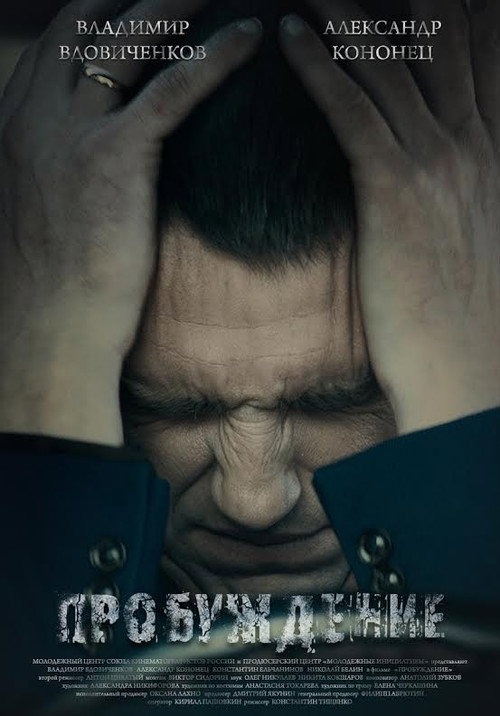
The Awakening 2014
Konstantin Tishchenko's intense 2014 drama *The Awakening* plunges viewers into a gripping moral dilemma when a high-powered lawyer, played by Vladimir Vdovichenkov, flees the scene after a hit-and-run accident.
Director: Konstantin Tishchenko
Cast



Frequently Asked Questions
What is The Awakening (2014) about?
A successful lawyer commits a hit-and-run and kidnaps the injured victim to avoid punishment. Their tense car ride becomes a psychological battleground where his conscience is tested like never before.
Who directed The Awakening?
Konstantin Tishchenko directed *The Awakening*, delivering a tightly scripted drama that explores moral decay through claustrophobic storytelling.
Who stars in The Awakening?
The film stars Vladimir Vdovichenkov as the lawyer, alongside Aleksandr Kononets, Konstantin Yelchaninov, Maria Rogalskaya, and Nikolay Belin in pivotal roles.
Is The Awakening (2014) worth watching?
*The Awakening* is a short but impactful drama that thrives on tension and moral complexity. While unrated on IMDb, its tight pacing and thematic depth make it compelling for fans of psychological thrillers and character-driven stories.
How long is The Awakening?
The Awakening runs for 17 minutes.
The Awakening (2014): A Moral Thriller About Guilt and Redemption
Konstantin Tishchenko's intense 2014 drama *The Awakening* plunges viewers into a gripping moral dilemma when a high-powered lawyer, played by Vladimir Vdovichenkov, flees the scene after a hit-and-run accident. Instead of facing consequences, he kidnaps the injured young victim—a reckless decision that sets off a tense, unpredictable journey. As their car speeds through unfamiliar territory, the lawyer's initial attempt at damage control spirals into a harrowing confrontation with his own conscience.
Starring alongside Vdovichenkov are Aleksandr Kononets, Konstantin Yelchaninov, and Maria Rogalskaya, *The Awakening* (2014) crafts a claustrophobic atmosphere where every passing moment forces the protagonist to question his choices. Tishchenko's sharp direction amplifies the film's themes of guilt, redemption, and the fragility of human morality, leaving audiences to ponder whether justice—or even survival—is possible in such a morally ambiguous situation.