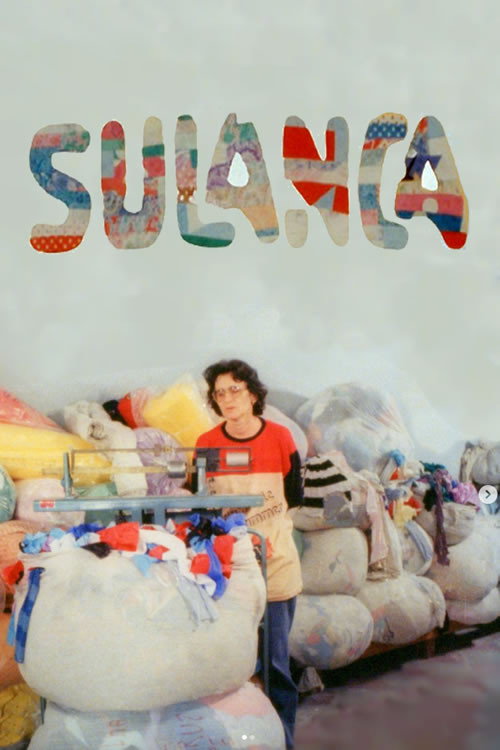
Sulanca 1986
Directed by Kátia Mesel in 1986, *Sulanca* is a compelling documentary that captures a pivotal moment in Brazil's socioeconomic history.
Director: Kátia Mesel
Frequently Asked Questions
What is Sulanca (1986) about?
Kátia Mesel's documentary follows the seamstresses of Santa Cruz do Capibaribe, who turned the once-unwelcoming Feira da Sulanca into a hub of opportunity. Through hard work and solidarity, these women broke barriers in Brazil's clothing industry, reshaping their futures and the socioeconomic landscape around them.
Who directed Sulanca?
The film was directed by Kátia Mesel, a filmmaker whose work often focuses on social and economic themes in Brazil. Her approach blends observational storytelling with a deep empathy for her subjects.
Who stars in Sulanca?
Director information is not available.
Is Sulanca (1986) worth watching?
As a historical documentary, *Sulanca* offers a rare glimpse into grassroots economic empowerment. Its 41-minute runtime makes it a concise but impactful watch, especially for those interested in themes of resilience and social change. While it lacks an IMDb rating, its cultural significance speaks for itself.
How long is Sulanca?
The film runs for 41 minutes.
About Sulanca (1986) — How Brazilian Seamstresses Wove a Silent Economic Revolution
Directed by Kátia Mesel in 1986, *Sulanca* is a compelling documentary that captures a pivotal moment in Brazil's socioeconomic history. Set against the vibrant yet challenging backdrop of Pernambuco's Feira da Sulanca, the film shines a light on the resilient seamstresses of Santa Cruz do Capibaribe. These women, once marginalized in a male-dominated market, harnessed their collective strength and ingenuity to carve out independent livelihoods, sparking a quiet economic revolution. Mesel's lens immerses us in a world where determination and collaboration rewrite the rules, blending grit with hope in a way that feels both intimate and transformative.
*Sulanca* isn't just a chronicle of market stalls and sewing machines—it's a testament to human resilience. The documentary pulses with the energy of bustling alleys and the hum of sewing needles, all while exploring themes of empowerment, gender equality, and the power of community. Mesel's storytelling transforms an otherwise ordinary setting into a symbol of change, making *Sulanca (1986)* essential viewing for anyone interested in the intersections of labor, gender, and social progress.