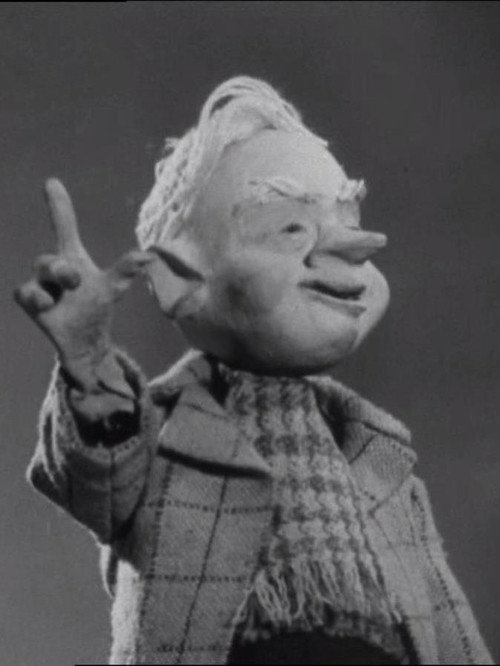
Oskar Kulicke und der Pazifist 1952
Oskar Kulicke und der Pazifist (1952) is a rare curiosity from the early Cold War era—a three-minute animated short steeped in ideological messaging.
Director: Kurt Weiler
Frequently Asked Questions
What is Oskar Kulicke und der Pazifist (1952) about?
This animated propaganda short from 1952 uses allegory to critique pacifism in post-war Berlin, framing it as a threat to social progress. Through stark, symbolic visuals, the film urges collective action over passive resistance during a period of ideological division.
Who directed Oskar Kulicke und der Pazifist?
Kurt Weiler directed the short, contributing to its distinctive blend of political messaging and early animation techniques.
Who stars in Oskar Kulicke und der Pazifist?
Cast details for this 1952 short are unavailable, as historical records from the period often omit individual contributions to propaganda films.
Is Oskar Kulicke und der Pazifist (1952) worth watching?
As a historical artifact, Oskar Kulicke und der Pazifist offers unique insight into Cold War-era propaganda, though its one-sided perspective limits broader appeal. Animation enthusiasts and Cold War historians may find it compelling for its rarity and thematic boldness.
How long is Oskar Kulicke und der Pazifist?
Oskar Kulicke und der Pazifist runs for 3 minutes.
About Oskar Kulicke und der Pazifist (1952) — A Cold War Propaganda Short You Won't Find Everywhere
Oskar Kulicke und der Pazifist (1952) is a rare curiosity from the early Cold War era—a three-minute animated short steeped in ideological messaging. Directed by Kurt Weiler, this compact propaganda piece reflects the political tensions of post-war Berlin through the lens of anti-pacifist rhetoric. Though stripped of dialogue, its visual storytelling delivers blunt social commentary, portraying pacifism as a dangerous delusion that undermines collective duty. The film's stark, almost didactic atmosphere contrasts with modern animation trends, making it a fascinating artifact for historians and cinephiles alike.
As part of the FDJ (Free German Youth) movement's media output, Oskar Kulicke und der Pazifist was crafted to sway young viewers toward civic responsibility over passive resistance. Its brevity belies its purpose; every frame is charged with moral urgency, challenging viewers to question neutrality in divided times. For those exploring mid-century German cinema, this short offers a provocative glimpse into how animation was weaponized for ideological debate.