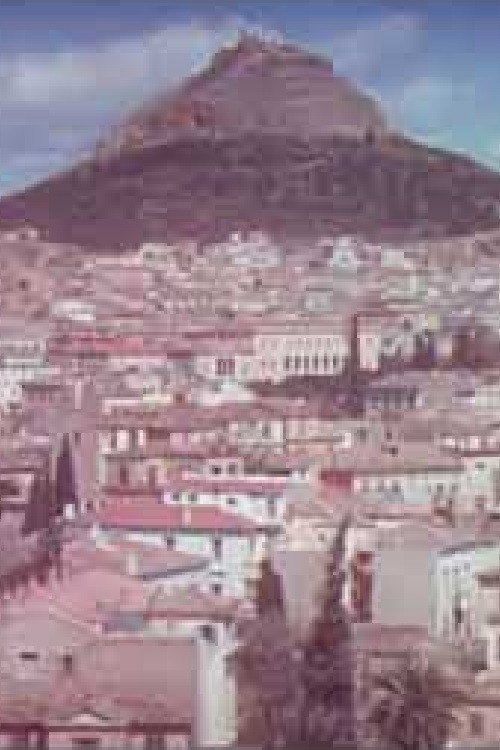
La Grèce pittoresque 1912
Step back in time to 1912 with *La Grèce pittoresque*, a fleeting six-minute cinematic postcard that captures the timeless beauty of Greece through the lens of early filmmaking.
Frequently Asked Questions
What is La Grèce pittoresque (1912) about?
This short film transports viewers to the breathtaking landscapes of Greece, showcasing its iconic scenery in a visually poetic manner. Without dialogue or narrative, it relies entirely on its imagery to convey the country's natural and cultural splendor.
Who directed La Grèce pittoresque?
Director information is not available.
Who stars in La Grèce pittoresque?
Cast details are not listed, leaving the film to shine purely through its stunning cinematography.
Is La Grèce pittoresque (1912) worth watching?
At just six minutes long, this silent-era travelogue may not appeal to those seeking modern storytelling, but it offers a unique historical glimpse into early cinema and Greece's timeless allure. For fans of vintage film or travelogues, it's a charming curiosity worth exploring.
How long is La Grèce pittoresque?
The film runs for approximately 6 minutes.
About La Grèce pittoresque (1912) — A Silent-Era Travelogue to Greece's Enduring Charms
Step back in time to 1912 with *La Grèce pittoresque*, a fleeting six-minute cinematic postcard that captures the timeless beauty of Greece through the lens of early filmmaking. This charming short film offers a glimpse into the country's idyllic landscapes, from sun-drenched coastlines to ancient ruins, all bathed in the golden glow of an era when cinema was still discovering its own magic. While the director and cast remain a mystery, the film's focus on picturesque scenery transcends its brevity, serving as a nostalgic travelogue that invites viewers to experience Greece's allure in its purest form.
Though modest in duration, *La Grèce pittoresque* stands as a fascinating artifact of silent-era filmmaking, offering a rare window into how early audiences first encountered the world through the camera's eye. The absence of narrative allows the stunning visuals to take center stage, evoking a sense of wonder that lingers long after the credits roll. Whether you're a history buff, a cinephile, or simply someone who appreciates the art of travel through film, this 1912 gem delivers a serene escape to a Greece that feels both distant and eternally captivating.