Orchard 2004
Julie Murray's *Orchard (2004)* is a hauntingly poetic short film that transforms forgotten history into a visual meditation on time, nature, and resilience.
Director: Julie Murray
Frequently Asked Questions
What is *Orchard (2004)* about?
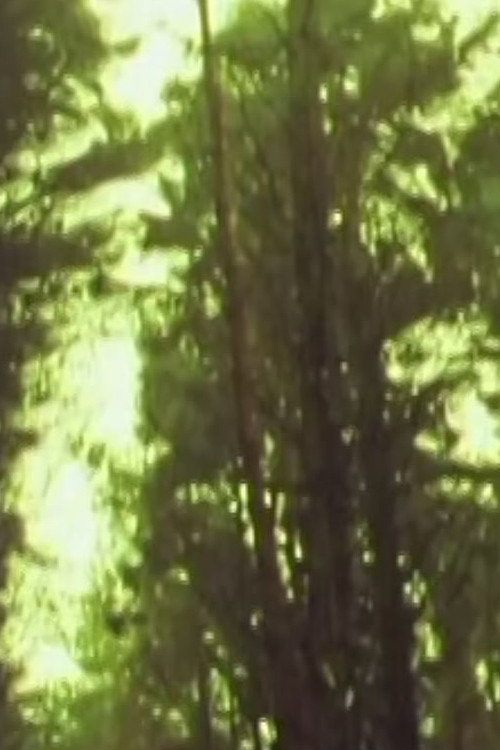
*Orchard (2004)* explores the quiet rebirth of a forgotten 19th-century orchard in southwest Ireland, where nature slowly reclaims the ruins of crumbling brick walls. Through stunning visuals, the film captures how trees grow through decay, symbolizing resilience and the passage of time.
Who directed *Orchard*?
*Orchard (2004)* was directed by Julie Murray, a filmmaker known for her evocative and atmospheric visual storytelling.
Who stars in *Orchard*?
Cast details for *Orchard (2004)* are not publicly listed.
Is *Orchard (2004)* worth watching?
*Orchard (2004)* may be a short film, but its meditative beauty and thematic depth make it a compelling watch for fans of experimental cinema. Its silent storytelling and striking visuals offer a unique experience that lingers long after the credits roll.
How long is *Orchard*?
*Orchard (2004)* has a runtime of 8 minutes.
About Orchard (2004) — Julie Murray's Short Film on Nature's Unstoppable Reclaiming
Julie Murray's *Orchard (2004)* is a hauntingly poetic short film that transforms forgotten history into a visual meditation on time, nature, and resilience. Filmed in the dense woodlands of southwest Ireland, the eight-minute piece captures the eerie beauty of a 19th-century walled orchard in Rostellan, where crumbling brick ruins have become entwined with towering trees. Over decades, roots have snaked through the decaying masonry like slow-moving rivers, twisting into arteries that pulse with life against the backdrop of abandonment. Murray's lens lingers on the juxtaposition of decay and vitality, where nature reclaims man-made structures in a silent, unstoppable embrace. The film's atmosphere is one of quiet wonder, evoking themes of endurance, the passage of time, and the quiet persistence of life.
While *Orchard (2004)* may be brief, its impact lingers like the roots it documents—deep, unshakable, and impossible to ignore. Murray's direction leans into the meditative, using the orchard's overgrown ruins as a metaphor for forgotten stories waiting to be rediscovered. The interplay of light and shadow, the rhythmic sway of trees, and the crumbling walls tell a story without words, inviting viewers to reflect on the cycles of growth and decay that define not just landscapes, but human experiences as well.