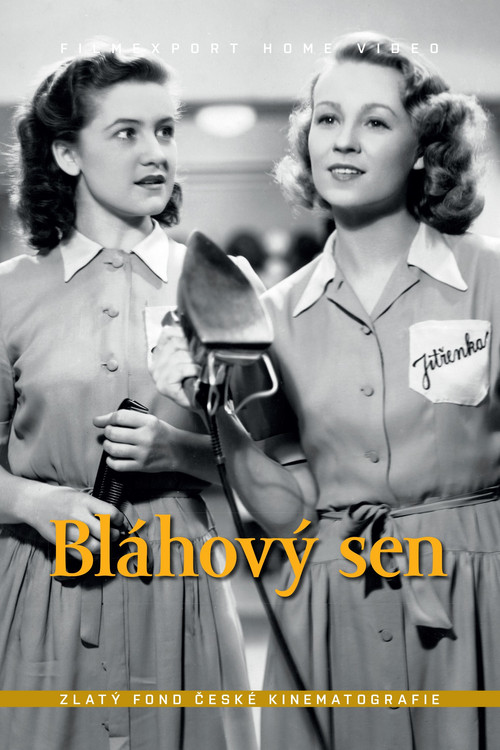
Bláhový sen 1943
Set in the atmospheric world of 1940s Prague, *Bláhový sen (1943)* follows Žofka Stárková, a hairdresser whose dreams of fame outpace her modest surroundings.
Director: J. A. Holman
Cast
Frequently Asked Questions
What is Bláhový sen (1943) about?
*Bláhový sen* tells the story of Žofka Stárková, a hairdresser whose longing for fame leads to unexpected consequences. After witnessing a tragic event, she finds herself at the center of a scandal, only to be offered a film role that could change her life—if she's willing to embrace its shadows.
Who directed Bláhový sen?
The film was directed by J. A. Holman, a notable figure in Czech cinema whose work often explored social and moral dilemmas of his time.
Who stars in Bláhový sen?
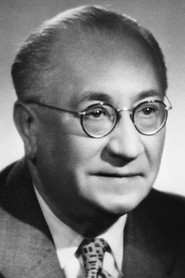
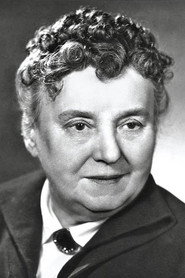
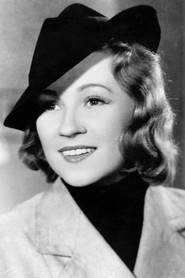
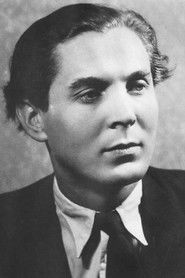
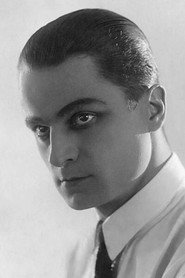
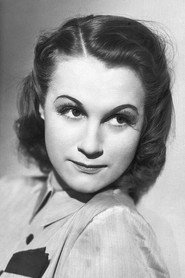
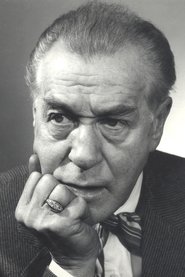
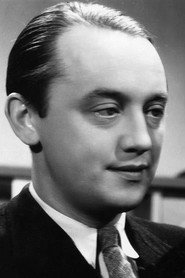
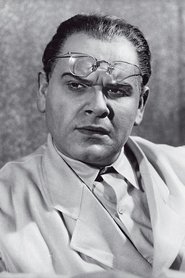
The film features a talented ensemble cast including Jaroslav Marvan, Zdeňka Baldová, Nataša Gollová, Jaromír Spal, and Adina Mandlová, each bringing depth to their roles.
Is Bláhový sen (1943) worth watching?
While *Bláhový sen* lacks modern IMDb ratings, its blend of drama and romance offers a fascinating glimpse into 1940s Czech culture. Fans of classic cinema and atmospheric storytelling will find its themes and performances compelling.
How long is Bláhový sen?
Runtime details are not listed.
About Bláhový sen (1943) — A Hairdresser's Rise and Fall in 1940s Prague
Set in the atmospheric world of 1940s Prague, *Bláhový sen (1943)* follows Žofka Stárková, a hairdresser whose dreams of fame outpace her modest surroundings. When a tragic twist of fate thrusts her into the spotlight—accused of murdering a famed tenor—her life takes a dramatic turn. Directed by J. A. Holman, this drama-romance navigates themes of ambition, fleeting notoriety, and the blurred line between chance and destiny.
With a stellar cast led by Jaroslav Marvan and Zdeňka Baldová, *Bláhový sen* blends dark humor with poignant social commentary, capturing the tensions of an era where fame could be won—or lost—overnight. The film's moody cinematography and sharp dialogue create an immersive experience, making it a standout in Czech cinema of the 1940s.