Tartuffe 1964
Ulrich Lauterbach's 1964 adaptation of Molière's classic satire *Tartuffe* transforms the stage into a cinematic battlefield of deception and moral hypocrisy.
Director: Ulrich Lauterbach
Cast




Frequently Asked Questions
What is Tartuffe (1964) about?
This cinematic take on Molière's timeless play exposes the dangers of blind faith as a charismatic fraud, Tartuffe, worms his way into a trusting family's life. Through manipulation and deception, he sows discord and nearly ruins the household until truth prevails. The film brilliantly captures the tension between piety and hypocrisy in a society ripe for exploitation.
Who directed Tartuffe?
Ulrich Lauterbach directed this 1964 adaptation, bringing a cinematic intensity to Molière's satirical masterpiece.
Who stars in Tartuffe?
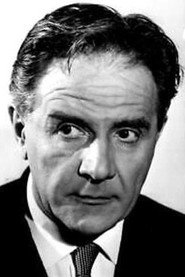
The film features standout performances from Annemarie Düringer, Renate Schroeter, Karl Paryla, Christoph Bantzer, and Elisabeth Wiedemann, each embodying the moral and emotional conflicts at its heart.
Is Tartuffe (1964) worth watching?
While not widely rated on IMDb, this adaptation's sharp direction and strong cast make it a compelling watch for fans of classic satire and historical drama. Its themes of deception and gullibility remain strikingly relevant, though its black-and-white aesthetic may feel dated to modern audiences.
How long is Tartuffe?
Runtime details are not listed.
About Tartuffe (1964) — Molière's Classic Satire Reimagined on Film
Ulrich Lauterbach's 1964 adaptation of Molière's classic satire *Tartuffe* transforms the stage into a cinematic battlefield of deception and moral hypocrisy. Set against the backdrop of 17th-century France, the film follows the manipulative Tartuffe as he infiltrates a wealthy household, exploiting the piety of its patriarch, Orgon, to gain control over wealth and family. Annemarie Düringer and Renate Schroeter deliver sharp, layered performances as the conflicted women caught in Tartuffe's web, while Karl Paryla's Orgon embodies blind devotion turned bitter disillusionment. Through meticulous direction and restrained yet potent performances, Lauterbach captures the tension between appearance and reality, blending dark comedy with poignant commentary on gullibility and corruption.
The film's stark black-and-white cinematography amplifies the moral decay at its core, turning every opulent drawing room into a stage for psychological warfare. By stripping Molière's satire of ornamentation, Lauterbach emphasizes the timelessness of its themes—how power and manipulation thrive under the guise of virtue. Whether viewed as a faithful homage or a daring reinterpretation, *Tartuffe (1964)* remains a bold exploration of human folly and the dangers of unchecked faith.