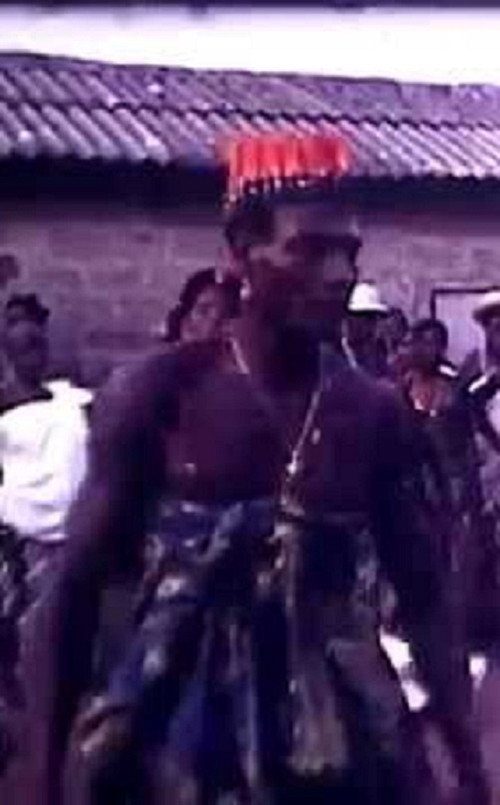
Candomblé in Dahomey 1977
Dive into the mystic world of *Candomblé in Dahomey (1977)*, a haunting documentary that captures a sacred sacrifice ritual in the heart of Dahomey, now modern-day Benin.
Director: José Agripino de Paula
Frequently Asked Questions
What is Candomblé in Dahomey (1977) about?
This documentary, directed by José Agripino de Paula, explores a traditional Candomblé sacrifice ritual performed in Dahomey, now part of Benin. It captures the solemnity and cultural depth of the ceremony, offering viewers an intimate look at one of Africa's enduring spiritual practices.
Who directed Candomblé in Dahomey?
José Agripino de Paula directed *Candomblé in Dahomey* in 1977. While details about his broader filmography are scarce, his work on this short documentary reflects a deep engagement with cultural and spiritual themes.
Who stars in Candomblé in Dahomey?
Director information is not available.
Is Candomblé in Dahomey (1977) worth watching?
Though unrated on IMDb and short in length, *Candomblé in Dahomey* offers a rare and immersive perspective on African spiritual traditions. Its atmospheric cinematography and cultural significance make it compelling for anthropology and documentary enthusiasts, though expectations should align with its experimental nature.
How long is Candomblé in Dahomey?
Candomblé in Dahomey runs for 22 minutes.
About Candomblé in Dahomey (1977) — A 22-minute documentary on sacred rituals in Benin
Dive into the mystic world of *Candomblé in Dahomey (1977)*, a haunting documentary that captures a sacred sacrifice ritual in the heart of Dahomey, now modern-day Benin. Directed by José Agripino de Paula, this 22-minute cinematic journey immerses viewers in the deeply spiritual traditions of Candomblé, a religion blending West African Yoruba beliefs with Catholic influences. The film unfolds with a raw, almost hypnotic atmosphere, showcasing the rituals' solemnity and cultural significance. As shadows dance and chants fill the air, the documentary transcends mere observation, offering a glimpse into a world where spirituality and heritage intertwine.
Though short, *Candomblé in Dahomey* packs a profound punch, leaving audiences with more than just visuals—they leave with a sense of the sacred. The film's stark black-and-white cinematography amplifies the intensity, contrasting the ritual's solemnity with the vibrancy of its traditions. Ideal for anthropology enthusiasts and those drawn to the mysteries of African spiritualism, this documentary is a rare window into a practice that has endured for centuries.