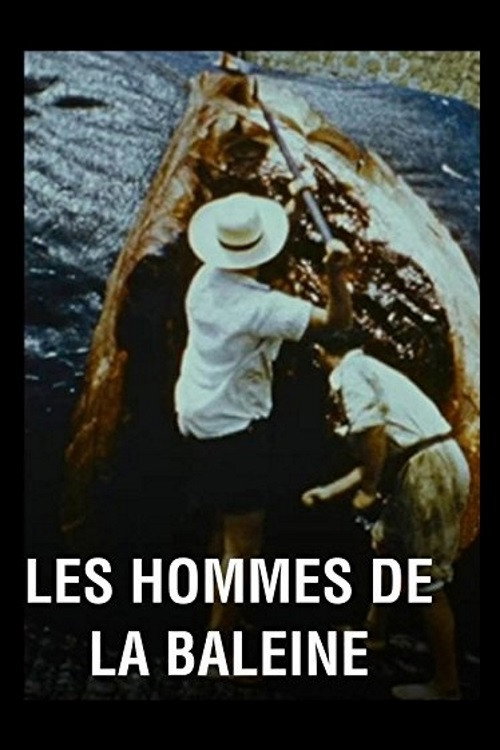
Les hommes de la baleine 1958
Les hommes de la baleine (1958) offers a compelling glimpse into the maritime traditions of the Azores, where fishing communities rely on whale hunting for survival.
Director: Mario Ruspoli
Cast
Frequently Asked Questions
What is Les hommes de la baleine (1958) about?
This documentary follows whalers in an Azores fishing village as they process a massive whale and prepare for their next dangerous hunt. The film captures the meticulous work involved in jointing and stocking the carcass while highlighting the risks these men face in their maritime tradition.
Who directed Les hommes de la baleine?
The film was directed by Mario Ruspoli, known for his ethnographic documentaries that explore traditional ways of life and working-class communities.
Who stars in Les hommes de la baleine?
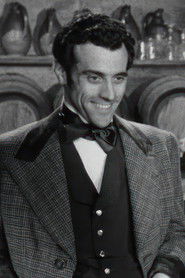
Gilles Quéant is featured in this documentary short, which focuses more on the community and traditions rather than individual performances.
Is Les hommes de la baleine (1958) worth watching?
As an unrated documentary, this film provides valuable ethnographic insight into 1950s whaling practices. Its historical significance and authentic portrayal of Azorean maritime culture make it worthwhile for documentary enthusiasts and those interested in anthropological cinema.
How long is Les hommes de la baleine?
The documentary runs for 25 minutes.
About Les hommes de la baleine (1958) — A Glimpse into Vanishing Maritime Traditions
Les hommes de la baleine (1958) offers a compelling glimpse into the maritime traditions of the Azores, where fishing communities rely on whale hunting for survival. This short documentary, directed by Mario Ruspoli, captures the meticulous process of jointing and stocking a massive whale carcass in a small Portuguese village. The film explores the delicate balance between man and nature, showcasing the skill and danger inherent in this ancient practice.
Through intimate cinematography, viewers witness the whalers' preparation for their next perilous expedition. The 25-minute runtime packs a powerful punch, revealing the physical demands and risks these men face in their daily work. Gilles Quéant appears in this observational piece that blends ethnographic study with stunning coastal visuals.
The documentary's atmosphere is both contemplative and intense, highlighting the cyclical nature of hunting and survival. Ruspoli's direction maintains an objective yet respectful tone toward his subjects, creating a window into a vanishing way of life that resonates with themes of tradition, danger, and human perseverance against the elements.