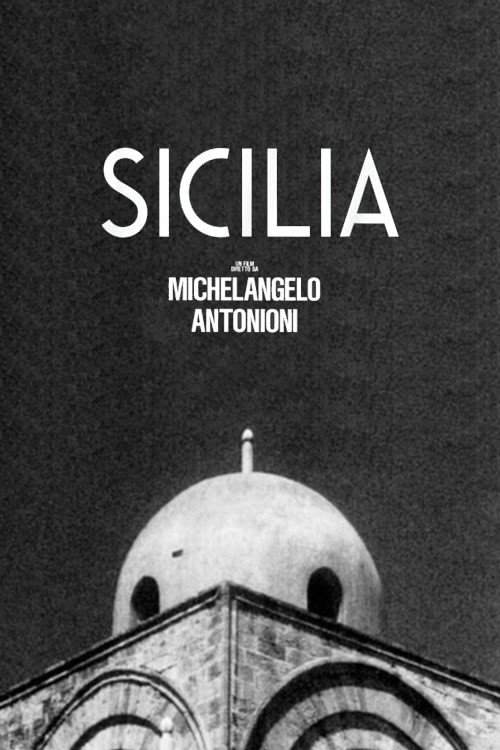
Sicily 1997
Michelangelo Antonioni's brief but evocative Sicily (1997) distills the island's essence into a striking visual poem.
Director: Michelangelo Antonioni
Cast

Frequently Asked Questions
What is Sicily (1997) about?
Michelangelo Antonioni's Sicily (1997) is a poetic documentary that captures the island's essence through a series of carefully composed images. Rather than relying on dialogue or traditional narration, the film presents Sicily's landscapes, people, and atmosphere as a meditative visual experience.
Who directed Sicily?
Sicily was directed by Michelangelo Antonioni, the legendary Italian filmmaker renowned for his innovative approach to visual storytelling and his exploration of modern life.
Who stars in Sicily?
The documentary features Maria Grazia Cucinotta as the primary subject, but its true stars are Sicily's landscapes, culture, and people, all captured through Antonioni's lens.
Is Sicily (1997) worth watching?
For fans of Antonioni's work or those who appreciate atmospheric, non-narrative cinema, Sicily (1997) is a compelling 9-minute experience. Its artistic value lies in its visual poetry, though it may not appeal to viewers seeking a traditional documentary structure.
How long is Sicily?
Sicily (1997) has a runtime of 9 minutes.
About Sicily (1997) — Antonioni's 9-Minute Visual Masterpiece of the Island's Soul
Michelangelo Antonioni's brief but evocative Sicily (1997) distills the island's essence into a striking visual poem. As a documentary crafted without traditional narrative, the film unfolds as a series of candid, atmospheric shots that capture Sicily's rugged coastline, sun-drenched streets, and timeless landscapes. Antonioni's signature eye for composition transforms everyday moments into cinematic fragments, revealing the soul of the region through contrasts—between light and shadow, stillness and motion, tradition and modernity. The 9-minute short feels like a private meditation on place, where every frame whispers stories of history, culture, and the quiet resilience of its people.
Though devoid of dialogue, Sicily resonates with a haunting beauty that lingers long after the credits roll. The film's power lies in its simplicity, inviting viewers to immerse themselves in the island's visual symphony rather than rely on explanation. Antonioni's lens lingers on textures and hues, from crumbling architecture to the rhythmic dance of waves, crafting a portrait that feels both intimate and expansive.