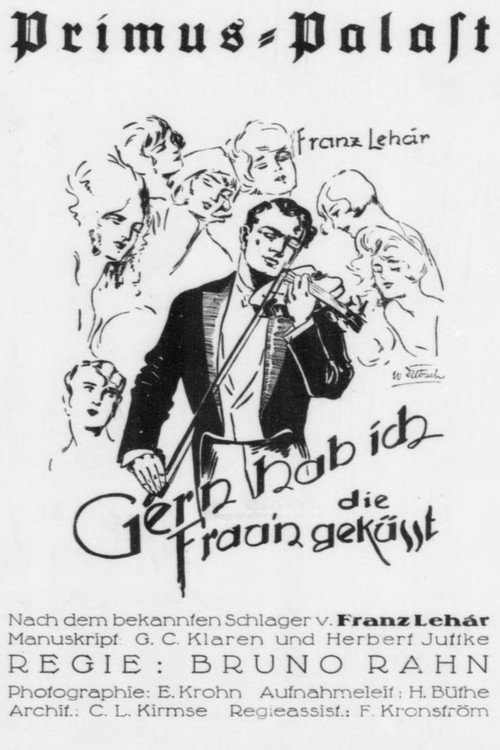
Gern hab' ich die Frauen geküßt 1926
Step into the playful world of early German cinema with *Gern hab' ich die Frauen geküßt* (1926), a delightful silent-era comedy directed by Bruno Rahn.
Director: Bruno Rahn
Cast


Frequently Asked Questions
What is Gern hab' ich die Frauen geküßt (1926) about?
This 1926 German silent comedy follows the romantic escapades of a smooth-talking man whose attempts at love only lead to hilarious misunderstandings and endless flirtations. Think of it as a playful exploration of charm, mistake, and the universal struggle to win hearts.
Who directed Gern hab' ich die Frauen geküßt?
The film was directed by Bruno Rahn, a notable figure in early German cinema known for his work in the silent era.
Who stars in Gern hab' ich die Frauen geküßt?
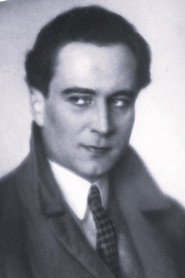
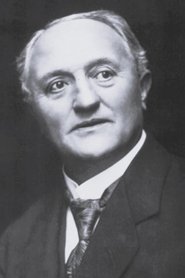
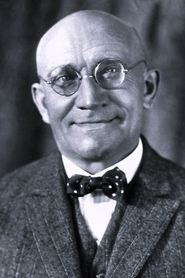
The cast features Alphons Fryland, Wilhelm Diegelmann, Hermann Picha, Margarete Kupfer, and Lissy Arna, each bringing their unique comedic flair to the screen.
Is Gern hab' ich die Frauen geküßt (1926) worth watching?
For silent film enthusiasts and fans of lighthearted comedies, *Gern hab' ich die Frauen geküßt* offers a charming snapshot of 1920s cinema. While modern audiences may find its humor tame by today's standards, its historical value and playful tone make it a delightful watch for those interested in the roots of comedic filmmaking.
How long is Gern hab' ich die Frauen geküßt?
Runtime details are not listed.
About Gern hab' ich die Frauen geküßt (1926) — A Silent-Era Romantic Comedy Classic
Step into the playful world of early German cinema with *Gern hab' ich die Frauen geküßt* (1926), a delightful silent-era comedy directed by Bruno Rahn. Set against the backdrop of Weimar-era Berlin, this film follows the romantic misadventures of a charming but hapless protagonist, whose heart—much to his own delight and chaos—is perpetually ensnared by the opposite sex. With a signature blend of witty slapstick and lighthearted satire, Rahn crafts a narrative that balances farce with a touch of social commentary, exploring themes of love, infatuation, and the absurdity of human connection. The atmosphere is buoyant, filled with exaggerated emotions and the kind of comedic timing that defined silent film storytelling.
Starring the charismatic Alphons Fryland as the lovable rogue, alongside the scene-stealing talents of Wilhelm Diegelmann and Margarete Kupfer, the ensemble cast brings warmth and humor to every scene. Lissy Arna's performance adds a layer of sophistication to the comedic chaos, while Hermann Picha and Eduard von Winterstein provide grounding moments amidst the whimsy. *Gern hab' ich die Frauen geküßt* (1926) is a time capsule of 1920s filmmaking, offering a glimpse into the era's penchant for playful storytelling and visual inventiveness—perfect for fans of vintage cinema and timeless farces.