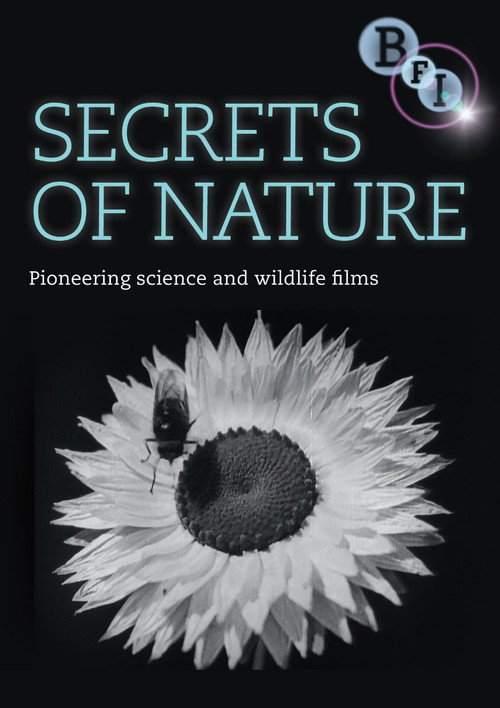
Dream Flowers 1931
Step into a hypnotic world of vibrant hues with *Dream Flowers (1931)*, an avant-garde short documentary that transforms the humble poppy into a mesmerizing spectacle.
Frequently Asked Questions
What is Dream Flowers (1931) about?
*Dream Flowers* isn't a story but a visual journey, using close-up cinematography to turn poppy flowers into a kaleidoscope of vibrant, almost hallucinatory colors. Think of it as a short, silent symphony of nature's artistry, where each petal pulses with life and motion.
Who directed Dream Flowers?
Director information is not available.
Who stars in Dream Flowers?
This eight-minute documentary features no traditional cast, focusing instead on the poppy flower as its sole 'star'.
Is Dream Flowers (1931) worth watching?
While unconventional, *Dream Flowers* offers a unique peek into early experimental filmmaking—perfect for fans of silent-era shorts or those who appreciate nature documentaries with a twist. Its brevity and lack of text make it niche, but its visuals are undeniably striking.
How long is Dream Flowers?
The film runs for 8 minutes.
About Dream Flowers (1931) — A Psychedelic Poppy Short That Redefines Botanical Cinema
Step into a hypnotic world of vibrant hues with *Dream Flowers (1931)*, an avant-garde short documentary that transforms the humble poppy into a mesmerizing spectacle. Directed by an unnamed visionary, this eight-minute filmstrip captures the poppy's psychedelic beauty through bold cinematography and immersive close-ups, turning petals into swirling patterns of color and motion. The film leans into a dreamlike atmosphere, where nature's simple elegance takes on an almost surreal quality, blending scientific curiosity with artistic flair. While light on plot, *Dream Flowers* excels as a visual experiment, offering a fleeting but unforgettable glimpse into the hidden artistry of the natural world.
A product of its era, this documentary stands out for its experimental approach to the genre, prioritizing aesthetic over narrative. Without relying on dialogue or character arcs, it invites viewers to lose themselves in the rhythm of its imagery, making it a curiosity for fans of early filmmaking and botanical art alike. Though obscure, its legacy lies in its bold vision—proving that even the most fleeting subjects can leave a lasting impression when viewed through the right lens.