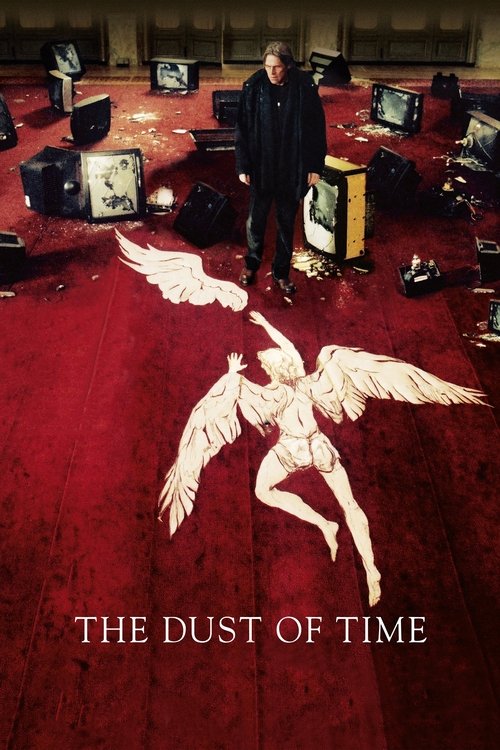
The Dust of Time 2008
Theo Angelopoulos' sweeping drama *The Dust of Time (2008)* weaves a deeply personal narrative with the sweeping currents of 20th-century history.
Director: Theo Angelopoulos
Cast









Frequently Asked Questions
What is The Dust of Time (2008) about?
The Dust of Time follows an American filmmaker of Greek descent as he reconstructs his parents' turbulent love story across Italy, Germany, Russia, and beyond. At its heart is Eleni, a woman whose relationships and resilience mirror the upheavals of the 20th century.
Who directed The Dust of Time?
Theo Angelopoulos, the acclaimed Greek filmmaker known for his visually poetic and politically charged dramas, directed *The Dust of Time*.
Who stars in The Dust of Time?
The film stars Willem Dafoe, Bruno Ganz, Michel Piccoli, Irène Jacob, and Christiane Paul in key roles.
Is The Dust of Time (2008) worth watching?
If you appreciate slow-burn dramas with layered storytelling and stunning visuals, *The Dust of Time* is absolutely worth watching. Its exploration of memory and history, combined with strong performances, makes it a thought-provoking experience.
How long is The Dust of Time?
The Dust of Time runs for 128 minutes.
🎥 Trailer
About The Dust of Time (2008) — A Poetic Journey Through Love and History
Theo Angelopoulos' sweeping drama *The Dust of Time (2008)* weaves a deeply personal narrative with the sweeping currents of 20th-century history. The film follows an American filmmaker of Greek descent as he revisits the lives of his parents, Eleni and her lovers, across continents—Italy, Germany, Russia, Kazakhstan, Canada, and the U.S.—crafting a story that feels both intimate and epic. Eleni, the emotional core, embodies the enduring power of love amid political upheaval and displacement, with characters drifting through scenes like figures in a half-remembered dream. Angelopoulos' signature poetic visuals and layered storytelling create an atmosphere of melancholic reflection, where time itself seems suspended in the dust of memory.
The Dust of Time (2008) isn't just a film about love and loss—it's a meditation on how history shapes individual lives. Through fragmented narratives and surreal transitions, the movie blurs the line between reality and memory, capturing the fragility of human connections against the backdrop of global turmoil. The haunting beauty of its cinematography and the gravitas of its performances make it a standout in Angelopoulos' filmography, offering viewers a cinematic experience that lingers long after the credits roll.