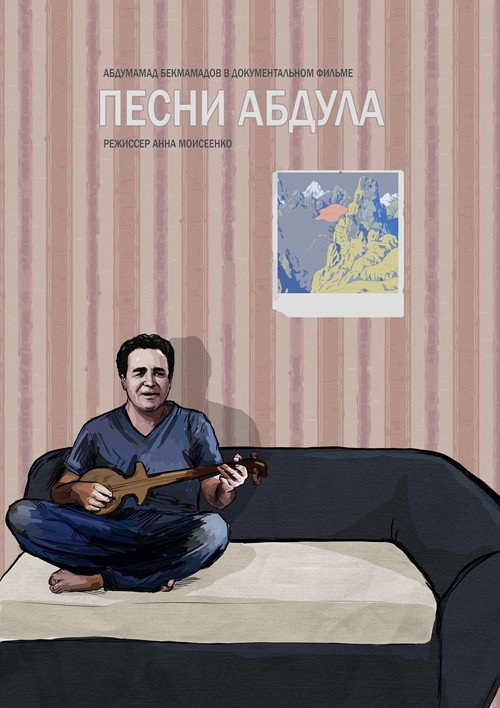
Songs of Abdul 2016
Dive into the poignant world of *Songs of Abdul (2016)*, a documentary that paints a raw portrait of migration and perseverance through music.
Director: Anna Moiseenko
Cast
Frequently Asked Questions
What is Songs of Abdul (2016) about?
*Songs of Abdul* follows Abdumamad Bekmamadov, a migrant worker from Tajikistan, as he shares his personal story of hardship and hope in Moscow through the lens of traditional Pamirian music. The documentary weaves his past and present into a tapestry of cultural pride and survival.
Who directed Songs of Abdul?
The film was directed by Anna Moiseenko, whose sensitive approach brings depth and intimacy to Abdul's narrative.
Who stars in Songs of Abdul?
The documentary centers on Abdumamad Bekmamadov, whose real-life experiences form the heart of the story.
Is Songs of Abdul (2016) worth watching?
As a documentary rooted in personal storytelling and cultural music, *Songs of Abdul* offers a unique perspective on immigration and resilience. While it may not be a mainstream blockbuster, its authenticity and emotional depth make it a compelling watch for fans of intimate, thought-provoking cinema.
How long is Songs of Abdul?
The film has a runtime of 66 minutes.
About Songs of Abdul (2016) — A Musical Journey of Migration and Resilience
Dive into the poignant world of *Songs of Abdul (2016)*, a documentary that paints a raw portrait of migration and perseverance through music. Directed by Anna Moiseenko, this 66-minute film follows Abdumamad Bekmamadov, known as Abdul, as he navigates the complexities of life in Moscow after arriving from Tajikistan. Through the haunting melodies of traditional Pamirian folk tunes, Abdul's journey unfolds—one that's steeped in hardship, resilience, and the unyielding power of cultural identity. The film blends intimate storytelling with evocative visuals, creating an atmosphere that's both melancholic and deeply moving, offering a rare glimpse into the immigrant experience from a personal and artistic perspective.
*Songs of Abdul (2016)* isn't just a documentary; it's a sonic memoir that bridges continents and generations. Moiseenko's lens captures the quiet dignity of Abdul's struggle, transforming his daily grind into a lyrical narrative that resonates far beyond the screen. The film's themes of displacement, belonging, and the universal language of music make it a standout in the genre, appealing to fans of introspective cinema and social documentaries alike.