Ein Monat auf dem Lande 1967
Ein Monat auf dem Lande (1967) is a charming German comedy that transports viewers to the countryside for a month-long adventure filled with humor and human foibles.
Director: Wolfgang Glück
Cast
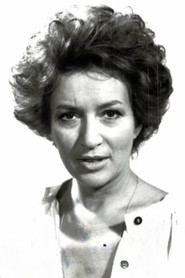


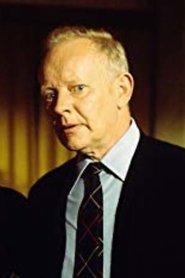
Frequently Asked Questions
What is Ein Monat auf dem Lande (1967) about?
The film follows city characters who spend a month in the countryside, where their attempts to adapt to rural life create a series of humorous situations. The story explores the cultural clash between urban and rural lifestyles through comedic encounters and misunderstandings.
Who directed Ein Monat auf dem Lande?
The film was directed by Wolfgang Glück, a noted German filmmaker known for his work in theater and cinema during the 1960s and beyond.
Who stars in Ein Monat auf dem Lande?
The main cast includes Herbert Propst, Ursula Lingen, Helga Anders, Melanie Horeschowsky, Bibiana Zeller, and Hans Quest, who bring the rural comedy to life through their varied performances.
Is Ein Monat auf dem Lande (1967) worth watching?
As a German comedy from the late 1960s, it offers historical value for fans of international cinema and those interested in rural-themed humor. The film's situational comedy and period charm make it worthwhile for viewers who enjoy character-driven stories.
How long is Ein Monat auf dem Lande?
Runtime details are not listed.
Ein Monat auf dem Lande (1967): Rural Comedy Meets Urban Misadventures
Ein Monat auf dem Lande (1967) is a charming German comedy that transports viewers to the countryside for a month-long adventure filled with humor and human foibles. Directed by Wolfgang Glück, this lighthearted film follows the misadventures of city dwellers who find themselves in rural settings, where everyday situations become comedic gold. The story unfolds with Herbert Propst leading an ensemble cast that includes Ursula Lingen, Helga Anders, and Hans Quest, each bringing their own brand of wit to the unfolding chaos.
Set against the backdrop of pastoral landscapes, the film explores themes of urban versus rural life, the clash between modernity and tradition, and how a change of scenery can reveal unexpected truths about ourselves. The comedy emerges from the characters' attempts to adapt to country living, where simple tasks become monumental challenges and local customs seem peculiar to outsiders. Glück's direction captures both the beauty of the countryside and the absurdity of human behavior, creating a film that's both visually appealing and genuinely funny.
This 1967 comedy represents a slice of German cinema from the late sixties, offering audiences a nostalgic glimpse into both the period's filmmaking style and social dynamics. The rural setting provides ample opportunity for situational comedy while also touching on deeper themes about finding one's place in the world.