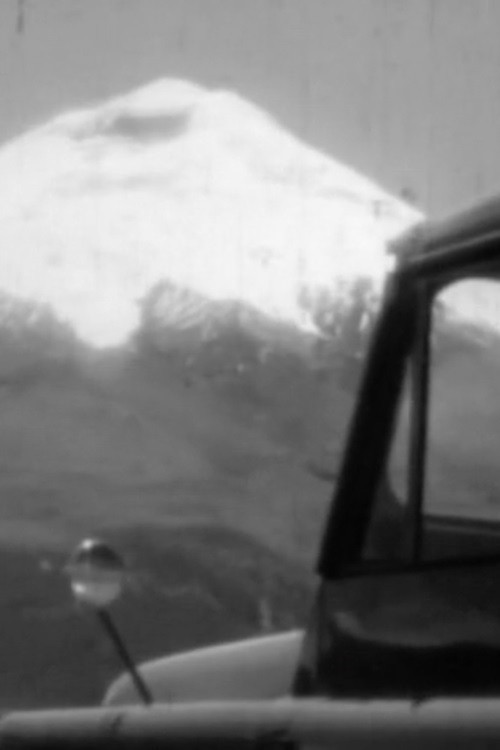
De Guayaquil a Quito 1933
Step back to 1933 and experience Ecuador's Andean highlands through the lens of an early travelogue in *De Guayaquil a Quito*.
Frequently Asked Questions
What is De Guayaquil a Quito (1933) about?
*De Guayaquil a Quito* is a silent documentary that follows a scenic route linking Ecuador's most iconic cities—Guayaquil, Quito, and Ibarra—during the early 20th century. The film documents daily life, from busy markets to serene highland villages, offering a visual travelogue of the era's landscapes and communities.
Who directed De Guayaquil a Quito?
Director information is not available.
Who stars in De Guayaquil a Quito?
Cast details for this 1933 documentary are not listed.
Is De Guayaquil a Quito (1933) worth watching?
While not rated on IMDb, this short documentary offers historical and cultural value for those interested in early travel films or Ecuador's social history. Its vintage aesthetic and regional focus make it a niche but rewarding watch for film enthusiasts and students of South American culture.
How long is De Guayaquil a Quito?
The film runs for 59 minutes.
About De Guayaquil a Quito (1933) — Rediscover Ecuador's 1930s landscapes in this silent travel documentary
Step back to 1933 and experience Ecuador's Andean highlands through the lens of an early travelogue in *De Guayaquil a Quito*. This silent documentary transports viewers along a vivid route that stitches together the bustling port city of Guayaquil, the colonial charm of Quito, and the northern town of Ibarra, capturing daily rhythms and landscapes before paved roads dominated the terrain. Shot in black-and-white, the film breathes life into street markets, cobblestone plazas, and sweeping mountain vistas, offering a rare snapshot of a nation caught between tradition and the dawn of modernity.
Transportation and connection become central motifs as the journey unfolds, revealing a country rich in culture and contrast. The camera lingers on the faces of artisans, farmers, and merchants, painting a portrait of Ecuador not through grand narratives but through the quiet poetry of everyday existence. While the director remains anonymous, the film's enduring value lies in its raw, unfiltered gaze—a time capsule that preserves a moment when travel was an adventure and every mile told a story.