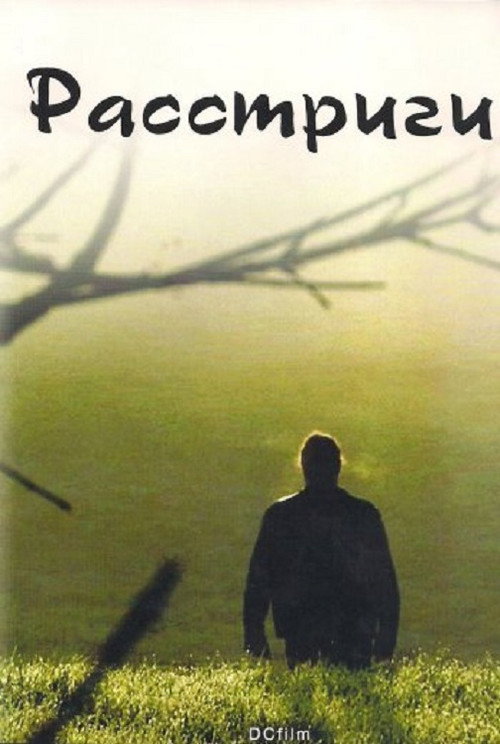
Unfastening 2013
In *Unfastening* (2013), director Erland Kelter crafts a thought-provoking documentary essay that dives deep into the struggles of inner freedom and the weight of personal responsibility.
Director: Erland Kelter
Cast

Frequently Asked Questions
What is Unfastening (2013) about?
*Unfastening* follows two clergymen, John Okhlobystin and Prokhor Lisitsyn, as they navigate the challenges of being stripped of their duties. Their stories become a lens to examine themes of autonomy, accountability, and the inner turmoil of those who must rebuild their lives after loss.
Who directed Unfastening?
The film was directed by Erland Kelter, who brings a contemplative and immersive style to this intimate documentary.
Who stars in Unfastening?
The documentary features Stanislav Kondaurov, Prokhor Lisitsyn, and Ivan Okhlobystin in its core cast.
Is Unfastening (2013) worth watching?
While it's a niche documentary, *Unfastening* offers a unique and moving perspective on faith and resilience. Its short runtime and thoughtful themes make it a rewarding watch for those interested in spiritual or biographical stories, even without a rating.
How long is Unfastening?
The documentary runs for 44 minutes, making it a concise yet impactful viewing experience.
About Unfastening (2013) — A Documentary Essay on Faith, Freedom, and Redemption
In *Unfastening* (2013), director Erland Kelter crafts a thought-provoking documentary essay that dives deep into the struggles of inner freedom and the weight of personal responsibility. The film centers on priest John Okhlobystin and hierodeacon Prokhor Lisitsyn, two clergymen temporarily stripped of their duties—a status often mocked as "rasstrigi"—as they grapple with their own choices and the impact on their loved ones. Through their stories, the documentary explores themes of redemption, faith, and the courage to forge one's own path despite societal expectations.
Set against a backdrop of quiet reflection, *Unfastening* captures the emotional tension of these men's journeys, blending intimate interviews with atmospheric visuals to create a meditative experience. Kelter's sensitive direction lets the subjects' struggles speak for themselves, offering viewers a raw, unfiltered look at what it means to confront personal and spiritual crises. For fans of introspective documentaries, it's a compelling exploration of the human condition.