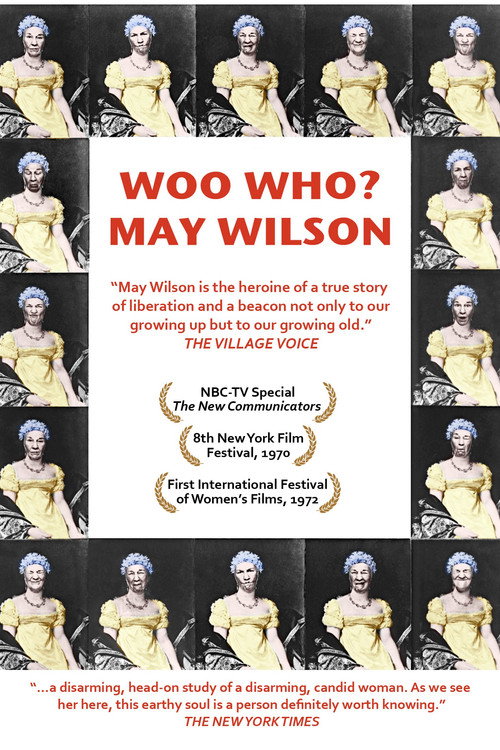
Woo Who? May Wilson 1970
Discover the inspiring true story of artist May Wilson in the captivating 1970 documentary *Woo Who? May Wilson*. Directed by Amalie R.
Director: Amalie R. Rothschild
Cast
Frequently Asked Questions
What is *Woo Who? May Wilson (1970)* about?
This documentary follows May Wilson, a grandmother and former homemaker who, after decades of marriage and domestic life, moves to New York City at 60 to forge an independent path. It's a story of reinvention, creativity, and the unexpected joys of starting over later in life.
Who directed *Woo Who? May Wilson*?
The film was directed by Amalie R. Rothschild, who captures Wilson's journey with warmth and humor.
Who stars in *Woo Who? May Wilson*?
The documentary centers on the life and work of artist May Wilson, with appearances by her family and fellow creatives who shaped her new career.
Is *Woo Who? May Wilson (1970)* worth watching?
While unrated, this short but uplifting documentary offers a unique glimpse into a woman's late-life awakening. Fans of biographical films, art history, or stories of personal triumph will find it engaging and thought-provoking.
How long is *Woo Who? May Wilson*?
The film runs 33 minutes.
About Woo Who? May Wilson (1970) — The Unlikely Rise of a Late-Blooming Artist in NYC
Discover the inspiring true story of artist May Wilson in the captivating 1970 documentary *Woo Who? May Wilson*. Directed by Amalie R. Rothschild, this 33-minute film traces the remarkable transformation of a woman who spent decades as a wife, mother, and homemaker before reinventing herself at 60. After the dissolution of her 40-year marriage, Wilson leaves behind her domestic life in Baltimore and heads to New York City, where she embraces independence, artistic passion, and a new identity.
The documentary captures the vibrant spirit of Wilson's late-blooming journey, blending humor and heart as it explores themes of liberation, self-discovery, and the uncharted joys of starting over. With its candid portrayal and lively energy, *Woo Who? May Wilson (1970)* stands as a testament to the resilience of the human spirit and the power of embracing change at any age.