Antigone 2018
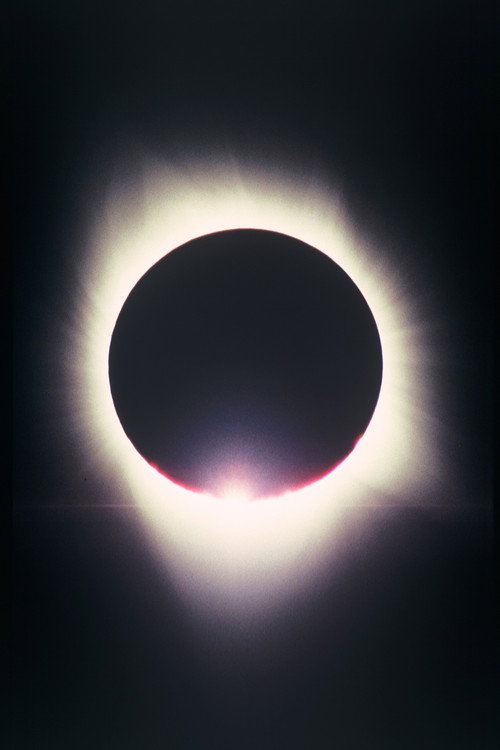
Tacita Dean's *Antigone* (2018) is a mesmerizing two-screen 35mm film installation that weaves time, light, and myth into a poetic meditation on history and place.
Director: Tacita Dean
Cast


Frequently Asked Questions
What is Antigone (2018) about?
Tacita Dean's *Antigone* (2018) is a meditative two-screen film installation inspired by the mythological figure from Sophocles' Theban plays. It explores the quiet, undramatized moments between tragedy and memory, using light, time, and photochemical film techniques to evoke a sense of historical depth and poetic stillness.
Who directed Antigone?
The film was directed by Tacita Dean, a renowned artist known for her work in film, photography, and installation art.
Who stars in Antigone?
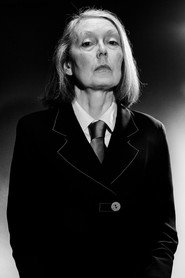
The project features Stephen Dillane, Anne Carson, and Tacita Dean herself as key participants in the film installation.
Is Antigone (2018) worth watching?
*Antigone* (2018) may not be for everyone due to its experimental and atmospheric nature, but it offers a unique visual and thematic experience for fans of avant-garde cinema and art installations. Its focus on light, myth, and time makes it a standout for those seeking something beyond traditional storytelling.
How long is Antigone?
The runtime for *Antigone* (2018) is 56 minutes.
Antigone (2018): A Tacita Dean Film Installation — Full Movie Info
Tacita Dean's *Antigone* (2018) is a mesmerizing two-screen 35mm film installation that weaves time, light, and myth into a poetic meditation on history and place. Drawing from the mythological figure central to Sophocles' Theban plays, Dean crafts a visually rich experience that eschews drama for a contemplative exploration of the spaces between tragedy and memory. The project, named after her sister, leans into the essence of photochemical film, celebrating its texture and ephemeral beauty while echoing themes of fate, lineage, and silent resilience.
Steeped in atmospheric stillness and subtle motion, *Antigone* (2018) transforms cinematic technique into a dialogue with the past. The twin screens—bathed in Dean's signature interplay of light and shadow—invite viewers to lose themselves in the interplay of myth and modern interpretation, where the undramatized moments of Greek tragedy become a canvas for quiet reflection and artistic reinvention.