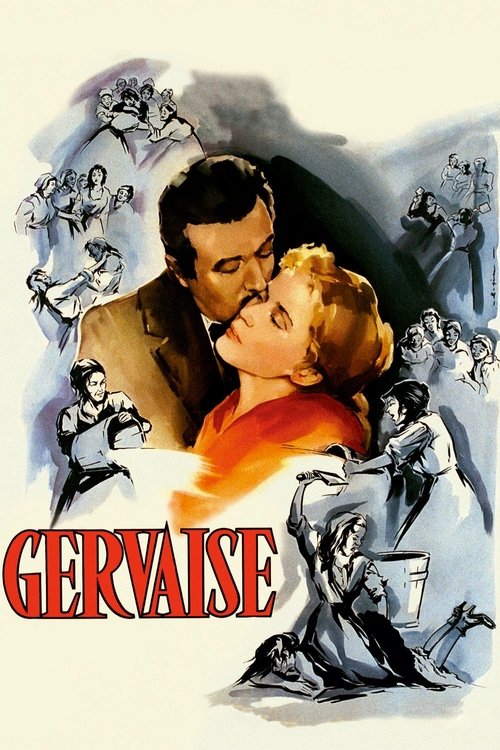
Gervaise 1956
Gervaise (1956), directed by the masterful René Clément, plunges viewers into the gritty, emotionally charged world of 19th-century Paris through the unflinching lens of French literary realism.
Director: René Clément
Cast







Frequently Asked Questions
What is Gervaise (1956) about?
Gervaise follows a hardworking laundress in 1870s Paris who strives to build a stable life for herself and her children while trapped in a toxic marriage to an alcoholic. Her journey explores the brutal realities of poverty, societal stigma, and the quiet strength required to survive in an unforgiving world.
Who directed Gervaise?
René Clément, renowned for his emotionally charged and socially conscious films, directed Gervaise (1956). His direction brings Zola's raw realism to life with striking visuals and deep character insight.
Who stars in Gervaise?
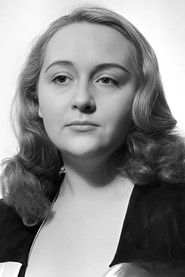
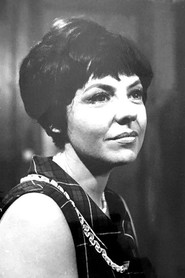
The film stars Maria Schell as Gervaise, François Périer as her husband Coupeau, Jany Holt, Mathilde Casadesus, Suzy Delair, and Armand Mestral, each delivering performances that anchor the film's emotional core.
Is Gervaise (1956) worth watching?
For viewers who appreciate character-driven dramas rooted in realism, Gervaise (1956) is absolutely worth watching. Its unflinching portrayal of struggle and redemption, combined with Maria Schell's powerful performance, makes it a memorable and thought-provoking experience—though its bleak tone may not suit everyone's tastes.
How long is Gervaise?
Gervaise (1956) runs for 112 minutes, offering a concise yet immersive journey into its protagonist's world.
🎥 Trailer
About Gervaise (1956) — A Riveting Drama of Resilience and Heartbreak
Gervaise (1956), directed by the masterful René Clément, plunges viewers into the gritty, emotionally charged world of 19th-century Paris through the unflinching lens of French literary realism. This powerful drama centers on a resilient laundress whose relentless spirit is tested as she navigates the crushing weight of poverty, societal judgment, and the destructive grip of her alcoholic husband. Adapted from Émile Zola's landmark novel *L'Assommoir*, the film paints a vivid portrait of survival and resilience, where every laundry-soaked moment feels charged with the raw pulse of working-class life. Maria Schell delivers a career-defining performance, embodying Gervaise's quiet determination and heartbreaking vulnerability, while François Périer brings palpable depth to the role of her tormented spouse. The film's stark black-and-white cinematography casts a haunting spell, illuminating themes of redemption, dignity, and the fragility of human connections in an unforgiving world.
With its unapologetic portrayal of struggle and its unflinching gaze at the consequences of addiction, Gervaise (1956) stands as a testament to Clément's skill in blending social commentary with intimate character study. The atmosphere crackles with tension—whether in the steam-filled confines of the laundry or the tense silences of a cramped apartment—making it a compelling watch for fans of intense, character-driven dramas that refuse to look away from harsh realities.