How Was History Wounded 1989
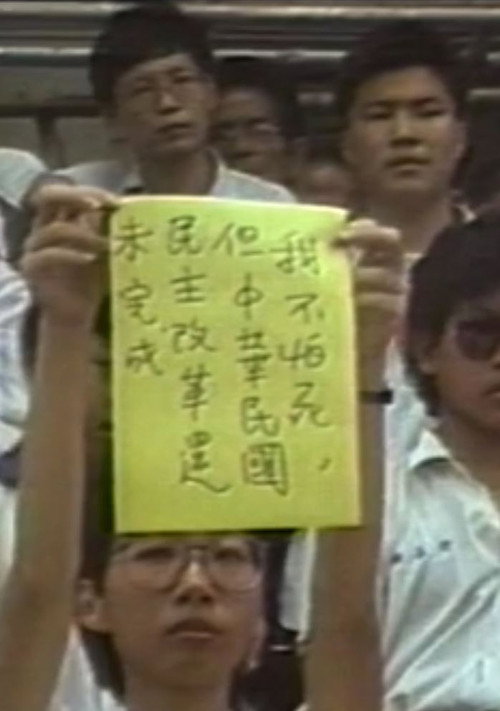
Dive into the sharp political commentary of *How Was History Wounded (1989)*, a thought-provoking documentary where three analysts dissect the Tiananmen Square massacre through the lens of global and domestic media coverage.
Director: Shu Lea Cheang
Frequently Asked Questions
What is How Was History Wounded (1989) about?
This documentary follows three commentators dissecting global and local media coverage of the Tiananmen Square massacre, exploring how politics, media control, and commercialism shape public perception of historical events.
Who directed How Was History Wounded?
The film was directed by Shu Lea Cheang, an artist and filmmaker known for her provocative explorations of politics, media, and identity.
Who stars in How Was History Wounded?
Director Shu Lea Cheang leads the discussion, joined by three commentators whose identities are not specified in the available records.
Is How Was History Wounded (1989) worth watching?
As a concise documentary, it delivers a potent critique of media ethics and political imagery in just 25 minutes. While it's niche, its themes remain relevant, making it a compelling watch for fans of political cinema or media studies.
How long is How Was History Wounded?
The runtime of *How Was History Wounded* is 25 minutes.
About How Was History Wounded (1989) — A 25-Minute Documentary on Media, Power, and the Tiananmen Square Massacre
Dive into the sharp political commentary of *How Was History Wounded (1989)*, a thought-provoking documentary where three analysts dissect the Tiananmen Square massacre through the lens of global and domestic media coverage. Directed by Shu Lea Cheang, this 25-minute film strips away the surface of news reports to expose the deeper currents of media manipulation, consumerism, and the illusion of democracy under authoritarian rule. The atmosphere is tense yet cerebral, blending archival footage with real-time critique to challenge viewers to question how politics shape imagery—and vice versa.
The film zeroes in on themes of censorship, commercialization of tragedy, and the paradoxical role of media in both exposing and obscuring truth. While Cheang's approach is concise, its impact lingers, offering a snapshot of a pivotal moment in modern history through the unfiltered lens of discourse. Whether you're exploring 1980s political cinema or seeking a compact yet potent critique of media ethics, *How Was History Wounded* (1989) delivers a punch in under half an hour.