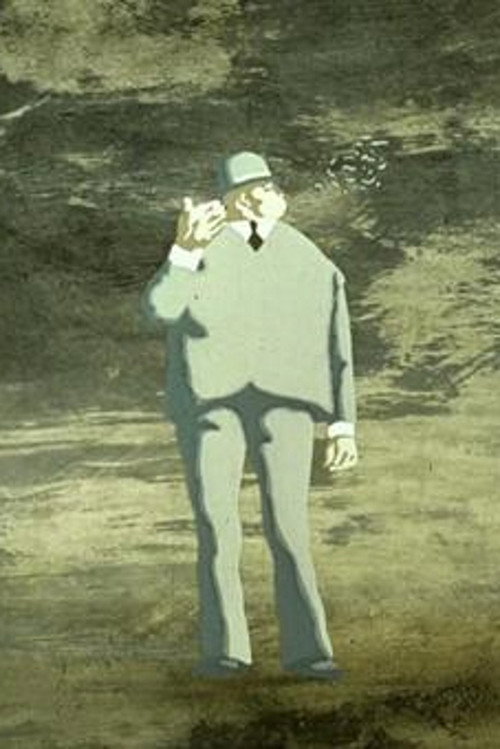
Scabies 1970
Zlatko Grgić's *Scabies (1970)* is a surreal, darkly humorous animated short that explores escalating paranoia with a deceptively simple premise.
Director: Zlatko Grgić
Frequently Asked Questions
What is Scabies (1970) about?
The film centers on a man whose relentless scratching reveals a hidden world of tiny people. His compulsion spirals until the act of seeking relief becomes his own undoing.
Who directed Scabies?
Scabies was directed by Zlatko Grgić, a pioneering Yugoslavian animator known for his innovative and often surreal short films.
Who stars in Scabies?
The animated short features an unnamed lead character whose actions drive the entire narrative.
Is Scabies (1970) worth watching?
For fans of surreal animation and dark humor, *Scabies (1970)* offers a unique and thought-provoking experience in just 7 minutes. Its minimalist style and clever twist make it a standout short film worth seeking out.
How long is Scabies?
Scabies (1970) has a runtime of 7 minutes.
About Scabies (1970) — A Darkly Funny Animation on Itch and Obsession
Zlatko Grgić's *Scabies (1970)* is a surreal, darkly humorous animated short that explores escalating paranoia with a deceptively simple premise. The film follows an unnamed man whose relentless search for relief from an itch spirals into chaos, revealing an unsettling truth beneath the surface. As he scratches aggressively—his sleeves, coat, and trousers—tiny figures tumble out, exposing a world where his discomfort is both literal and metaphorical. The stark animation style amplifies the tension, blending absurdity with a creeping sense of dread.
This 7-minute Yugoslavian masterpiece is a biting commentary on human frustration and the unintended consequences of our actions. Grgić's direction transforms an everyday annoyance into a nightmarish cycle, leaving viewers both amused and unsettled. *Scabies (1970)* isn't just a quirky cartoon—it's a sharp, memorable critique wrapped in dark comedy and minimalist storytelling.