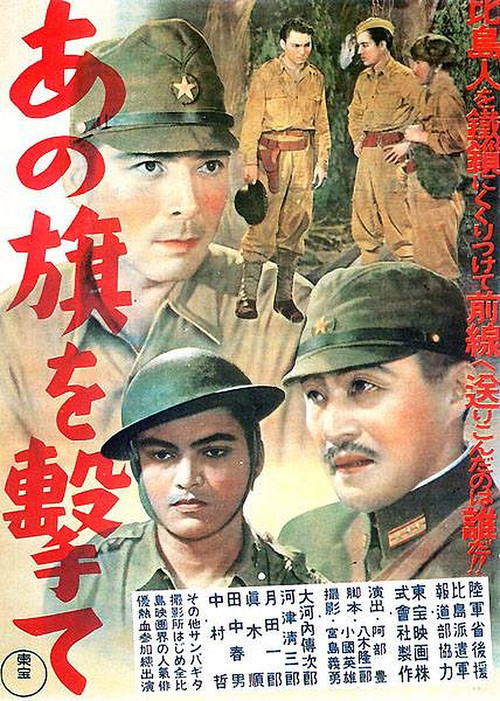
The Dawn of Freedom 1944
Directed by Yutaka Abe, *The Dawn of Freedom (1944)* is a stark wartime drama steeped in propaganda, crafted under Japanese occupation forces in the Philippines.
Director: Yutaka Abe
Cast
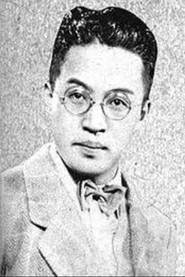
Denjirō Ōkōchi
Captain Hayami
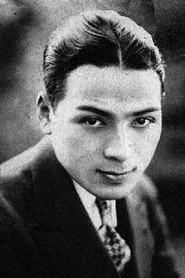
Seizaburō Kawazu
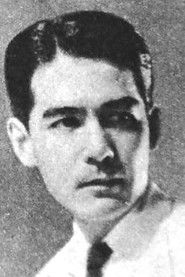
Ichirō Tsukida
Lt. Nanoka
Jun Maki
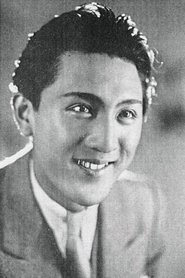
Haruo Tanaka
Lt. Sakuragi (military doctor)
Tetsu Nakamura
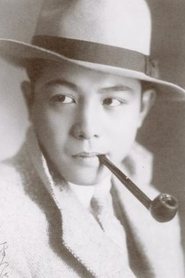
Heihachirō Ōkawa
Sub Corporal Ikema Ishihara
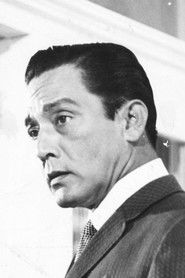
Leopoldo Salcedo
Captain Reyes
Satoshi Komori
Senior officer- Muramatsu
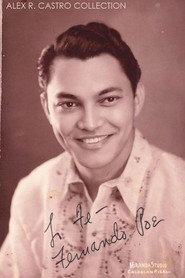
Fernando Poe
Captain Gomez
Frequently Asked Questions
What is The Dawn of Freedom (1944) about?
This 1944 wartime drama presents the Japanese occupation of the Philippines as a liberating event, framed through the lens of propaganda. The film attempts to justify the invasion by highlighting supposed benefits, though its narrative is transparently biased.
Who directed The Dawn of Freedom?
The film was directed by Yutaka Abe, a filmmaker whose work during this period reflected the political pressures of the time.
Who stars in The Dawn of Freedom?
The lead cast includes Denjirō Ōkōchi, Seizaburō Kawazu, Ichirō Tsukida, Jun Maki, and Haruo Tanaka, with Tetsu Nakamura rounding out the ensemble.
Is The Dawn of Freedom (1944) worth watching?
Given its propaganda-driven narrative and unrated status, *The Dawn of Freedom* is more valuable as a historical artifact than a compelling drama. Its short runtime and heavy-handed themes make it a niche watch for those studying wartime cinema or propaganda techniques.
How long is The Dawn of Freedom?
The film has a runtime of 62 minutes.
About The Dawn of Freedom (1944) — Japan's Wartime Drama Through a Distorted Lens
Directed by Yutaka Abe, *The Dawn of Freedom (1944)* is a stark wartime drama steeped in propaganda, crafted under Japanese occupation forces in the Philippines. The film attempts to frame the invasion as a benevolent act, though its heavy-handed narrative exposes the manipulative intentions behind its creation. With a runtime of just over an hour, it blends historical context with dramatic tension, creating an atmosphere of forced optimism amid oppression. Starring Denjirō Ōkōchi and Seizaburō Kawazu, the movie leans into wartime propaganda tropes while serving as a disquieting artifact of its era.
The film's genre as a war and history drama underscores its purpose: to justify occupation through a skewed lens. The cast's performances, though constrained by the film's agenda, contribute to its eerie authenticity. While not a masterpiece, *The Dawn of Freedom (1944)* remains a chilling historical document, offering insight into the propaganda tactics of the time.